Bali
How to Build a Villa in Bali: What No One Tells You Upfront
by Samma Studio
March 12, 2026
Bali has long attracted people who want to create something of their own on the island. For some, that means a private home. For others, it means a villa designed around hospitality, rental, or a long-term investment.
Building a villa in Bali is possible, but the process is more complex than it may appear from the outside. The land you choose, how the project is structured, the permits involved, the design decisions you make early on, and the team you work with can all have a significant impact on the final result.
This guide explains what you need to know before and during a villa project in Bali, from choosing and assessing land to design, permits, construction, budgeting, and the decisions that can make the process smoother.
At a Glance: Building a Villa in Bali
Before starting a villa project, there are several key things to understand:
- Start with the land: Site conditions, access, orientation, slope, zoning, and surrounding context can affect what you can build and how much it will cost.
- Understand the legal structure: Foreign buyers need to understand the applicable land and property rights before committing to a project.
- Plan permits early: PBG and SLF are important parts of the building process and should be considered alongside design and project planning, rather than treated as an afterthought.
- Build the right team: An architect, interior designer or interior architect, structural and MEP consultants, contractor, and legal professionals may all play important roles.
- Allow enough time: A residential villa can take around 12–18 months to construct, while a complete project from initial brief to handover can take approximately 18–24 months, depending on its scale and complexity.
- Budget beyond construction: Construction cost is only one part of the total project budget. Design fees, consultants, permits, landscaping, FF&E, legal costs, connections, and contingency also need to be considered.
- Resolve the design early: Clear and coordinated design documentation helps reduce changes, delays, rework, and unexpected costs during construction.
For a closer look at current construction costs, specifications, and the expenses that are often left out of initial budgets, see our guide to What Does It Actually Cost to Build in Bali in 2026?.
The aim of this guide isn't to make the process sound complicated for the sake of it. It's to give you a clearer picture of what is involved, so you can make better decisions before committing your time and money to a villa project in Bali.
The following sections walk through the process and the realities we think every prospective villa owner should understand before getting started.
Start With the Land - But Not the Way Most People Do
Before you think about floor plans, materials, or how many bedrooms your villa should have, start with the land.
In Bali, the site itself can have a major influence on what you can build, how the building should respond to its surroundings, and how much the project may ultimately cost. A plot that looks ideal on paper may present challenges once you consider access, topography, drainage, utilities, orientation, surrounding buildings, and applicable development requirements.
1. What Should You Check Before Choosing Land in Bali?
At a minimum, a proper site assessment should consider:
- Access: Is the site easily accessible for future residents, guests, construction vehicles, and deliveries?
- Topography: Is the land flat, sloping, or located on challenging terrain? Significant level changes can affect structural and site development costs.
- Drainage: How does rainwater move through and around the site, particularly during Bali's wet season?
- Orientation: How will the site receive sunlight and prevailing breezes throughout the day?
- Utilities: Are electricity, water, drainage, internet, and other essential services readily available?
- Surrounding context: What is being built around the site, and could neighbouring development affect privacy, views, daylight, or ventilation?
- Zoning and development requirements: What can legally and practically be developed on the land?
These questions are important because the cheapest or most attractive plot is not necessarily the easiest or most economical site to develop.
A thorough site and feasibility assessment before committing to the land can reveal issues that may otherwise appear much later during design or construction. This is also where an experienced local architecture studio can add value, particularly when evaluating how the site's physical characteristics and local context should influence the design.
If you are still comparing design partners, our guide on How to Choose an Architecture Studio in Bali explains what to look for beyond portfolio images, including local expertise, site analysis, consultant coordination, design process, and construction documentation.
2. Don't Design the Villa Before Understanding the Site
One of the most common mistakes is becoming attached to a particular villa design before understanding what the site can realistically support.
The land should inform the architecture, not the other way around.
A steep site may require a different approach to levels and foundations. A narrow access road may affect how materials and construction equipment reach the property. Strong afternoon sun may influence the orientation of bedrooms and living spaces. Existing vegetation may become an important part of the landscape strategy rather than something to remove.
The earlier these conditions are understood, the more effectively they can be incorporated into the design.
This is one reason the early stages of a villa project are not simply about producing attractive concepts. They are about understanding the relationship between land, climate, regulations, architecture, and the way the property will eventually be used.
Understand What You Can and Can't Own
If you are building a villa in Bali, understanding the legal structure of the property is just as important as understanding the architecture.
This is particularly important for foreign nationals. The way land or property rights are structured can affect how the project is acquired, developed, used, and managed, so it should be clarified before making a major financial commitment.
1. Can Foreigners Own Land in Bali?
Foreign nationals generally cannot hold Hak Milik (Right of Ownership) over land in Indonesia. Other forms of land or property rights may be available depending on the individual's circumstances, the intended use of the property, and the legal structure of the investment.
Common structures discussed in relation to property projects in Bali include:
- Hak Sewa (Leasehold): A contractual right to use a property or land for an agreed period.
- Hak Pakai (Right of Use): A recognised land right that may apply to certain qualifying individuals or entities under Indonesian regulations.
- PT PMA: A foreign investment company structure that may be relevant for certain business and property development activities, depending on the intended use and applicable regulations.
These structures are not interchangeable, and the most appropriate arrangement depends on the specific circumstances of the project.
For this reason, ownership and land rights should be reviewed with a qualified notary, PPAT, or legal professional in Indonesia before you purchase, lease, or begin developing a site.
2. Why the Legal Structure Matters
The legal structure is not something to solve after the architectural design has already started.
It can influence:
- How the land is acquired or leased
- How long the property can be used
- Who holds the relevant rights
- How the property can be used
- Whether the project is personal or commercial
- How the property may be transferred or managed in the future
Getting clarity early can prevent a situation where the design, budget, or intended use of the villa no longer matches the legal structure of the project.
3. Design and Ownership Need to Be Considered Together
For a villa project, legal, financial, and architectural decisions are closely connected.
For example, a property intended as a private residence may have different considerations from a villa intended for commercial rental or hospitality use. Similarly, the scale and intended use of a development can influence the professionals, approvals, and project structure involved.
The goal at this stage is not necessarily to have every decision finalised. It is to make sure the land, intended use, ownership or lease structure, and architectural ambitions are compatible before you move too far into the design process.
Important: Property ownership and land rights in Indonesia are subject to specific regulations and can depend on individual circumstances and project structure. This section is intended as general information, not legal advice. Always confirm the current requirements with a qualified Indonesian legal, notarial, or land professional before making a property or investment decision.
Get Your Permits in Order Early
Permits are not something to leave until the end of the design process.
For a villa project in Bali, regulatory requirements can affect the design, site planning, building parameters, and construction timeline. Addressing them early gives your architect and project team a clearer framework to work within and reduces the risk of having to make significant changes later.
1. What Permits Do You Need to Build a Villa in Bali?
The exact requirements depend on the location, type, scale, and intended use of the project. However, PBG (Persetujuan Bangunan Gedung) and SLF (Sertifikat Laik Fungsi) are important parts of Indonesia's building regulatory framework.
PBG relates to the approval to construct, modify, or maintain a building in accordance with the applicable requirements, while SLF confirms that a building meets the required standards for functionality and can be used.
The process can involve technical documentation, local requirements, and coordination with the relevant authorities. For this reason, permits should be considered as part of the design and planning process rather than as a separate administrative task.
For a more detailed explanation of how PBG and SLF work, see our guide to PBG and SLF Permits in Bali: A Plain-Language Guide.
2. Why Should Permits Be Considered Before Construction?
A common mistake is to finalise a design first and only then investigate whether everything can actually be approved.
Regulatory requirements can influence aspects such as:
- Building placement and setbacks
- Building height and massing
- Site coverage
- Access and circulation
- Structural and technical requirements
- Building functions
- Documentation required for approval
The earlier these considerations are understood, the easier it is to develop a design that responds to both the client's vision and the applicable requirements.
This does not mean every regulatory question needs to be resolved before the first design sketch. It means the project team should identify the important constraints early enough that they can inform the design.
3. Permits Are Part of the Design Process
For this reason, the relationship between client, architect, consultants, and permitting professionals matters.
The architect and relevant consultants need to understand the project brief and site conditions, while the documentation needs to reflect the applicable technical and regulatory requirements.
A well-coordinated process helps avoid a situation where a project looks complete on paper but requires significant revisions before construction can proceed.
Important: Permit requirements and procedures can change, and additional local or project-specific requirements may apply. Always confirm the current requirements for your site with the relevant professionals and authorities before construction begins.
Assemble the Right Team Before You Start
Building a villa requires more than an architect and contractor. Depending on the project's scale and complexity, the team may include an architect, interior designer, structural and MEP engineers, landscape designer, contractor, and legal or notarial professionals.
The architect typically coordinates the design process, while specialist consultants develop structural, MEP, landscape, and other technical aspects. Legal and notarial professionals can assist with land, agreements, and the project's legal structure.
What matters most is not simply having the right professionals, but ensuring they coordinate throughout the project. Decisions about structure, MEP, interiors, landscape, and permits can affect one another, so early coordination can help reduce changes and delays during construction.
Know What the Process Actually Looks Like
Here's a realistic stage-by-stage overview:
1. Concept Design (4–6 weeks)
Your brief gets translated into spatial ideas — floor plan, massing, overall design direction. This is where the big decisions happen: orientation, layout, relationship between spaces, indoor-outdoor flow. Changes here are easy. Changes later are expensive.
2. Design Development (6–10 weeks)
The concept gets refined and resolved. Materials are specified, consultants are engaged, the design gets tested against the structure and the systems it needs to accommodate. This stage is where the detail work happens.
3. Technical Drawings (6–8 weeks)
Construction-ready documentation: architectural drawings, interior drawings, structural drawings, MEP drawings. This is what your contractor prices from and builds to. The quality of this package determines the quality of what gets built.
4. Permits
Running in parallel with or immediately after technical drawings. Timeline varies — factor in at least 2–4 months and plan your construction start date accordingly.
5. Construction
For a residential villa: typically 12–18 months depending on scale, complexity, and site conditions. During this phase, your architect provides Construction Assessment — periodic site visits to ensure the build aligns with the design intent.
Total project duration from first brief to handover: 18–24 months is a realistic expectation for a well-run project. Shorter is possible. Longer is also common.
Budget for the Whole Project, Not Just the Build
The construction quotation is only one part of the total villa investment. Costs can vary depending on the location, site conditions, villa size, architectural complexity, materials, interiors, MEP systems, landscaping, and contractor.
Your overall budget may also need to account for:
- Land acquisition or lease
- Architecture and design fees
- Consultants and engineering
- Permits and professional services
- Construction
- Interior and FF&E
- Landscape and external works
- Utilities
- Contingency
1. What Should Your Villa Budget Include?
When creating an initial project budget, consider the wider cost structure rather than looking only at the contractor's construction quotation.
Depending on the project, this may include:
a. Land and acquisition costs
The cost of purchasing or leasing the site, along with relevant transaction and professional fees.
b. Architecture and design fees
Architectural design, interior design, masterplanning, landscape design, and other design services.
c. Consultants and engineering
Structural, MEP, geotechnical, survey, and other specialist consultants where required.
d. Permits and professional services
Building approvals, documentation, legal services, notarial services, and other professional requirements.
e. Construction
Site preparation, structure, architecture, building services, finishes, and external works.
f. Interior and FF&E
Furniture, fixtures, equipment, built-in joinery, lighting, soft furnishings, and other interior elements.
Furniture, fixtures, equipment, built-in joinery, lighting, soft furnishings, and other interior elements.
g. Landscape and external works
Planting, hardscape, pools, drainage, outdoor lighting, boundary works, and other external elements.
h. Utilities and connections
Electricity, water, internet, drainage, pumps, and other site infrastructure.
i. Contingency
An allowance for unexpected conditions, design changes, price fluctuations, or other project risks.
The exact proportion of each category will depend on the project, but considering them early gives you a much more realistic understanding of the investment required.
2. Don't Let the Initial Quotation Define the Entire Budget
A contractor's quotation can look reassuringly clear at the beginning of a project.
The problem is that a quotation is only meaningful when you understand exactly what it includes.
For example, one quotation may include certain finishes, equipment, external works, or services that another contractor has excluded.
This is why comparing contractors should not simply be a matter of comparing the final numbers.
Instead, compare:
- Scope
- Specifications
- Inclusions
- Exclusions
- Allowances
- Programme
- Payment terms
- Quality assumptions
- Variations
The objective is not to find the lowest number.
It is to understand what you are actually getting for the number quoted.
Common Mistakes to Avoid When Building a Villa in Bali
Even a well-planned villa project can become difficult when important decisions are made in the wrong order.
The following are some of the mistakes worth avoiding.
1. Choosing Land Without Proper Due Diligence
A beautiful site can still have difficult access, drainage, topography, or development constraints.
2. Starting Design Before Understanding the Site
Architecture should respond to the site's conditions rather than forcing a predetermined design onto the land.
3. Treating Permits as an Afterthought
Regulatory requirements can affect the design, so they should be considered early.
4. Choosing a Contractor Based Only on Price
Compare scope, experience, quality, programme, and inclusions rather than simply choosing the lowest quotation.
5. Changing the Design During Construction
Late changes can affect structure, MEP, procurement, cost, and programme. Resolving important decisions during design can reduce these risks.
The best result is not necessarily the most visually impressive villa.
It is a villa where design, performance, construction quality, and the way the property is used work together.
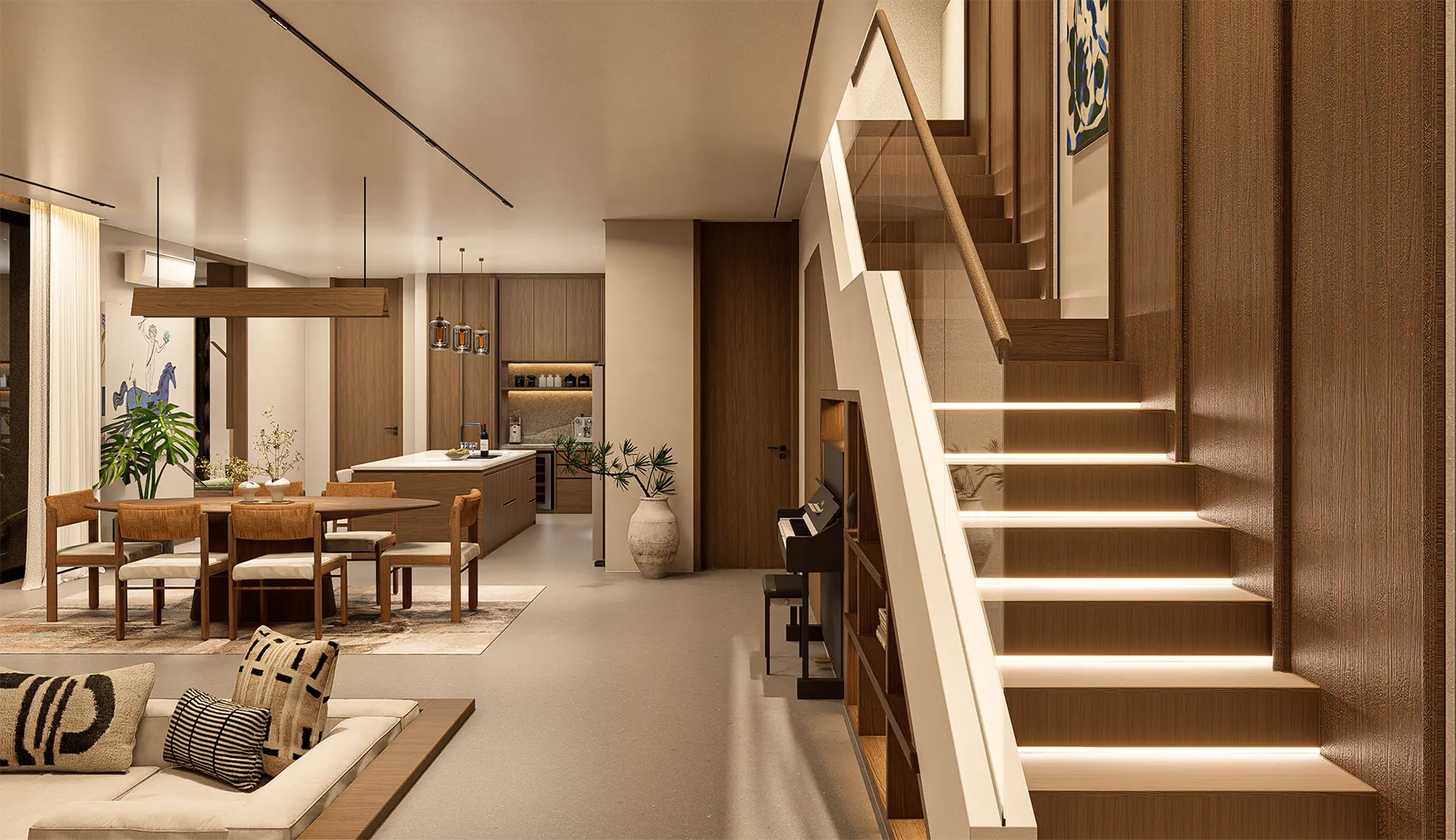
Learning From Real Villa Projects
Every villa site presents different opportunities and constraints. Looking at completed projects can help illustrate how architecture responds to specific site conditions, spatial requirements, materials, and landscape.
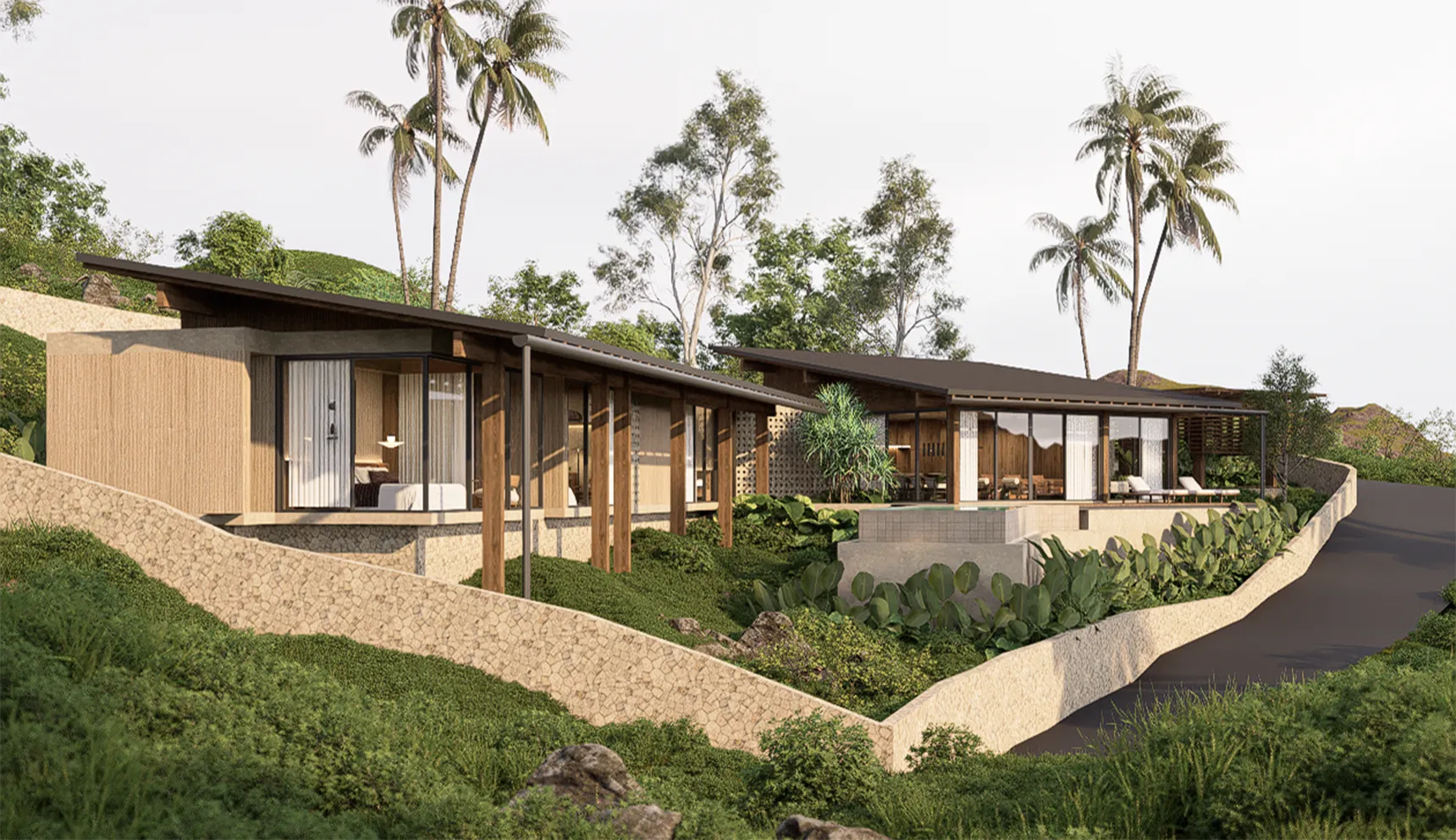
For example, L+M Villa demonstrates an integrated approach to architecture, interior design, and masterplanning, while Villa Buwit shows how a villa design can respond to its specific context.
The goal is not to copy another villa, but to understand how design decisions can be adapted to a different site and brief.
What Should You Know Before Building a Villa in Bali?
Building a villa in Bali requires more than a good design. The site, legal structure, permits, budget, design, and construction team all need to work together from the beginning.
The best place to start is with a clear brief, a thorough understanding of the site, and a realistic project budget. From there, an experienced architecture studio can help translate your goals into a design that responds to the site's conditions and your intended use.
If you are planning a villa project in Bali, contact Samma Studio to discuss your project, site, requirements, and design goals.
Frequently Asked Questions About Building a Villa in Bali
- How long does it take to build a villa in Bali?
Construction typically takes around 12–18 months, while the complete process from initial design to handover can take approximately 18–24 months. The actual timeline depends on the project's size, complexity, site conditions, approvals, and procurement. - How much does it cost to build a villa in Bali?
There is no fixed price. Costs depend on the villa's size, location, site conditions, design complexity, materials, interiors, and construction specifications. See our guide to What Does It Actually Cost to Build in Bali in 2026? for a more detailed breakdown. - Can foreigners build a villa in Bali?
Yes, foreign nationals can develop or use property in Indonesia through certain legal structures, but they generally cannot hold Hak Milik land ownership. The appropriate structure depends on the project and should be confirmed with a qualified Indonesian legal or notarial professional. - What permits are required to build a villa in Bali?
PBG (Persetujuan Bangunan Gedung) and SLF (Sertifikat Laik Fungsi) are important parts of Indonesia's current building regulatory framework. Requirements can vary depending on the location, building function, and project, so the applicable requirements should be confirmed before construction. See our PBG and SLF Permits in Bali guide for more information. - Do I need an architect to build a villa in Bali?
An architect is recommended for professionally planned villa projects, particularly when the project requires architectural design, technical documentation, consultant coordination, and regulatory approvals. The exact professional requirements depend on the project and applicable regulations. - Should I choose the land or architect first?
Ideally, consider both together. An architect can help assess whether a site's access, topography, orientation, development potential, and other conditions are suitable for the villa you want to build. - What is the biggest mistake when building a villa in Bali?
One of the most common mistakes is making major decisions too late. Choosing land without proper due diligence, underestimating the budget, selecting a contractor based only on price, or changing the design during construction can all lead to additional costs and delays. - When should I hire an architecture studio?
Ideally, involve an architecture studio before purchasing land or starting detailed design. Early involvement allows the architect to assess the site, understand the brief, identify constraints, and establish a realistic design direction.
For guidance on selecting the right studio, see How to Choose an Architecture Studio in Bali.