Perspective
Interior Architecture Explained: How It Differs from Interior Design
by Samma Studio
March 12, 2026
If you're planning to build or renovate a home, villa, hotel, or commercial space, you've likely come across the terms interior architecture and interior design. While they are often used interchangeably, they represent two distinct disciplines that play different roles in creating functional, beautiful, and meaningful spaces.
Understanding the difference is more than simply learning industry terminology. Choosing the right professional at the right stage of your project can influence everything from space planning and construction efficiency to aesthetics, user experience, and long-term property value.
Understanding the difference is more than simply learning industry terminology. Choosing the right professional at the right stage of your project can influence everything from space planning and construction efficiency to aesthetics, user experience, and long-term property value.
At Samma Studio, we believe exceptional interiors begin with a deep understanding of how people experience space. As an architecture studio in Bali, we combine architectural thinking with refined interior design to create spaces that are both purposeful and timeless.
In this guide, we'll explain what interior architecture is, how it differs from interior design, and when each discipline plays an important role in bringing a project to life.
1. What Is Interior Architecture?
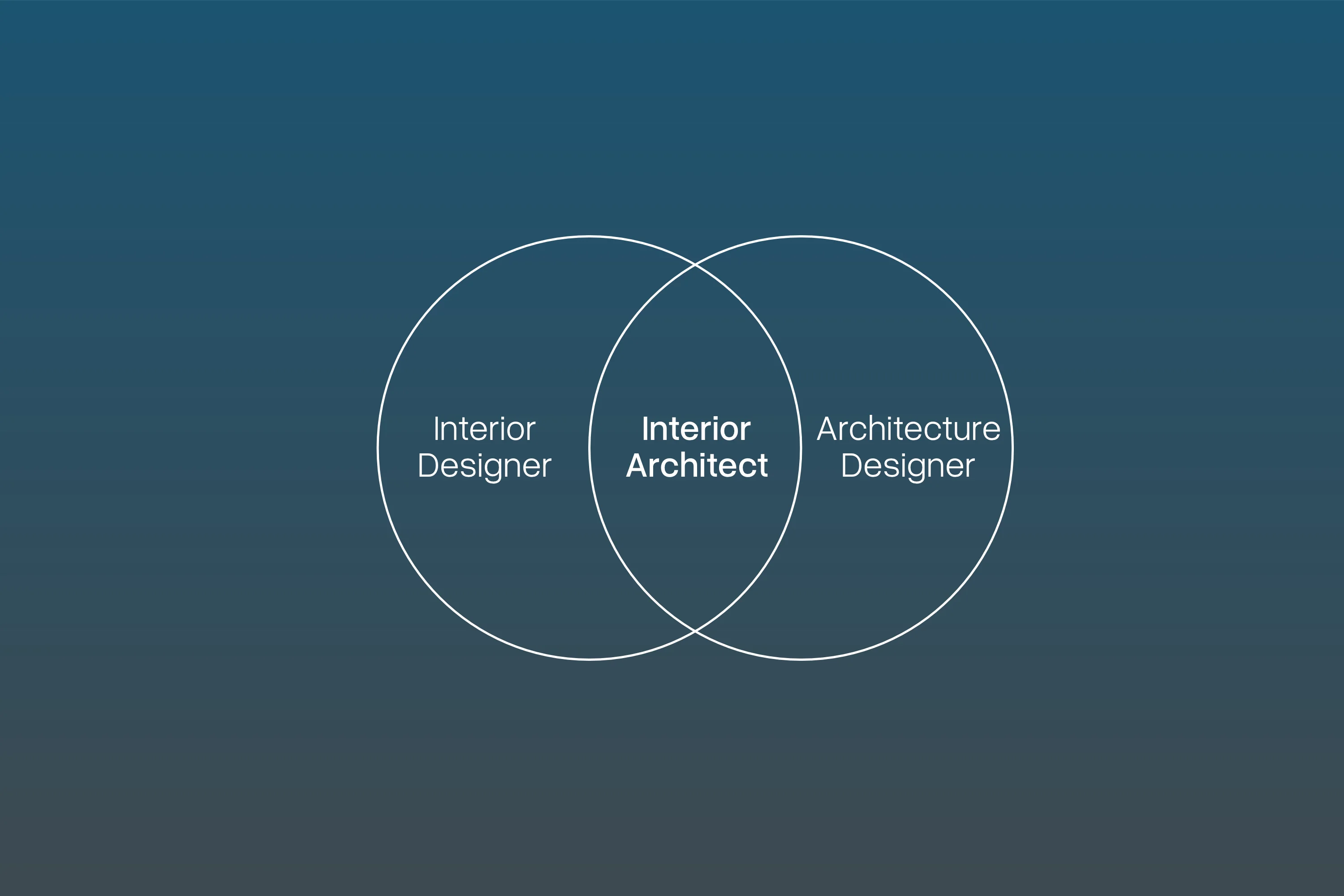
Interior architecture is the practice of designing interior spaces with a focus on how people interact with the built environment. It combines architectural principles, spatial planning, and interior design to create spaces that are functional, comfortable, and visually cohesive.
Unlike interior decoration, interior architecture begins long before furniture and finishes are selected. An interior architect considers how a space should function from the inside out by planning layouts, circulation, natural light, material integration, and the relationship between interior spaces and the building itself.
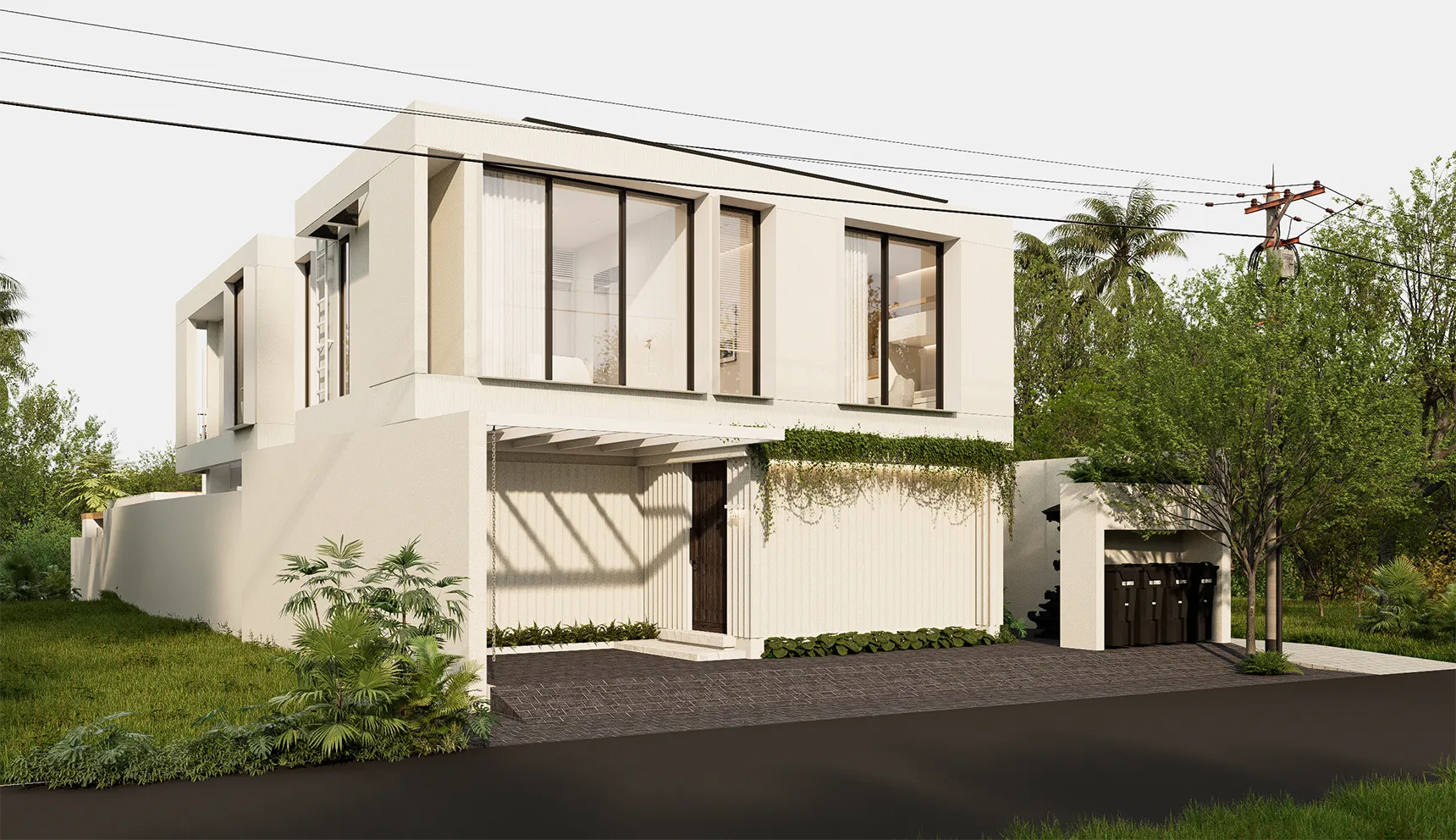
Rather than simply making a room look attractive, interior architecture shapes how a space performs. Every design decision aims to improve the user experience while supporting the overall purpose of the building.
For example, designing a boutique hotel involves much more than selecting furniture or colour palettes. An interior architect carefully plans guest circulation, room layouts, lighting strategies, service areas, and the coordination of building systems to create a space that operates efficiently while delivering a memorable guest experience.
This holistic approach makes interior architecture particularly valuable for projects where functionality, technical coordination, and aesthetics are equally important.
2. What Does an Interior Architect Do?
An interior architect designs interior environments that balance functionality, technical performance, and aesthetics. Their role often begins during the early planning stage and continues throughout construction, ensuring that every design decision supports both the vision of the project and the practical needs of the people using it.
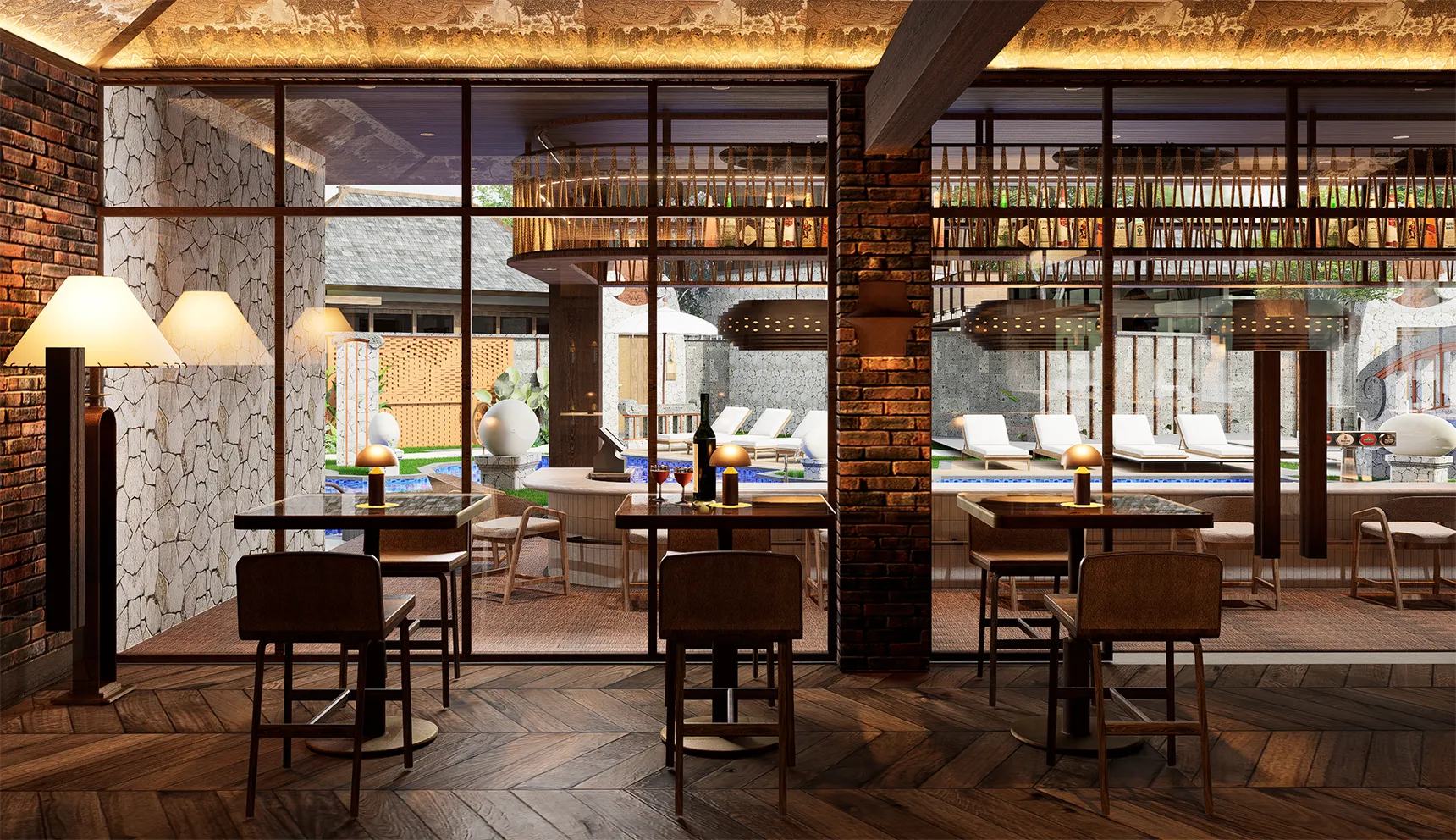
Depending on the project, an interior architect may:
- Develop spatial concepts that reflect the client's goals and lifestyle.
- Plan room layouts, circulation, and functional zoning.
- Design architectural features such as custom joinery, staircases, ceilings, and built-in furniture.
- Select materials and finishes that complement the overall design concept.
- Produce technical drawings and construction documentation.
- Coordinate with architects, engineers, consultants, and contractors.
- Review construction progress to ensure the design is executed as intended.
Because they work at the intersection of architecture and interior design, interior architects help create spaces that are not only visually appealing but also practical, efficient, and built to support everyday use.
Whether designing a luxury residence, hospitality destination, office, or commercial development, their goal is to deliver interiors that enhance both the experience of the occupants and the long-term performance of the building.
3. Interior Architecture vs Interior Design
One of the most common misconceptions is that interior architecture and interior design are the same profession. While they share many creative principles and often work together, each discipline has a different focus within the design process.
In general, interior architecture focuses on how a space functions, while interior design focuses on how a space looks and feels.
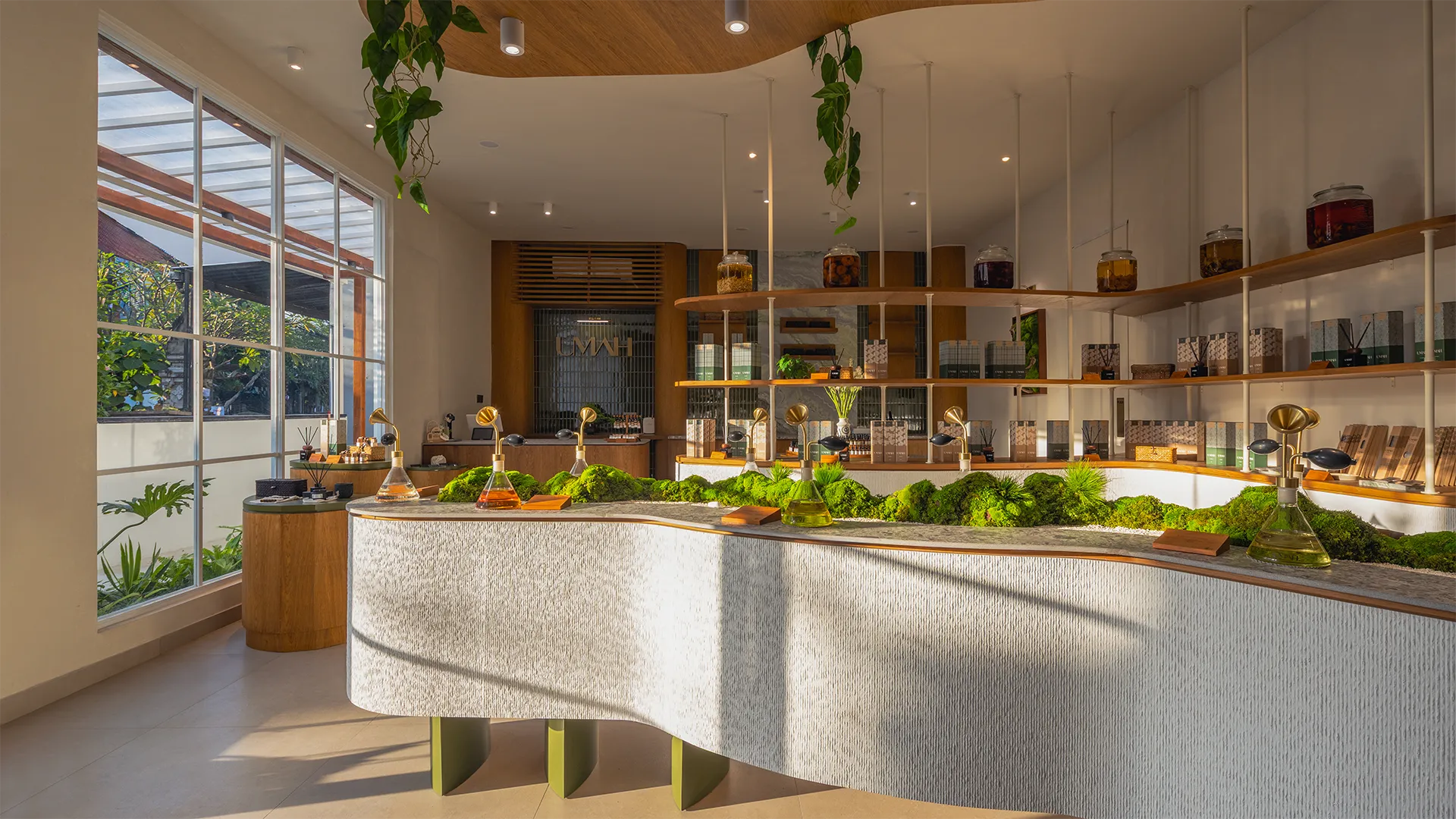
Interior Architecture
- Plans layouts and spatial organisation
- May involve structural modifications
- Produces technical drawings and construction documentation
- Coordinates with architects, engineers, and contractors
- Typically involved during planning and construction
Interior Design
- Enhances aesthetics and atmosphere
- Works within the existing architectural layout
- Develops furniture layouts, colour palettes, finishes, and styling
- Coordinates with furniture suppliers and interior vendors
- Often becomes more involved once the architectural layout is established
Although these responsibilities differ, they are highly complementary.
For example, an interior architect may determine the optimal room layout, circulation, and custom architectural elements, while an interior designer refines the atmosphere through furniture, lighting, textiles, artwork, and decorative finishes. Together, they create spaces that are functional, comfortable, and visually cohesive.
The right choice ultimately depends on your project's needs. If you're planning structural changes, reconfiguring layouts, or designing a building from the ground up, an interior architect should be involved early in the process. If the structure is already established and your goal is to elevate the ambience through finishes, furnishings, and styling, an interior designer may be the better fit.
For many luxury residential, hospitality, and commercial projects, the best results come from integrating both disciplines into a collaborative design process.
4. Interior Architecture vs Architecture
Although the terms are closely related, architecture and interior architecture focus on different aspects of the built environment.
Architecture is primarily concerned with designing the building as a whole. Architects develop the overall concept, structural systems, building form, and site integration while ensuring the project complies with regulations and technical requirements.
Interior architecture focuses on the spaces within that building. It considers how people move through and experience each environment, balancing functionality with aesthetics while coordinating interior construction and detailing.
For example, when designing a luxury villa, an architect determines the building's orientation, structure, and external appearance. An interior architect then refines the internal spaces by planning room relationships, circulation, custom joinery, lighting integration, and material applications that enhance everyday living.
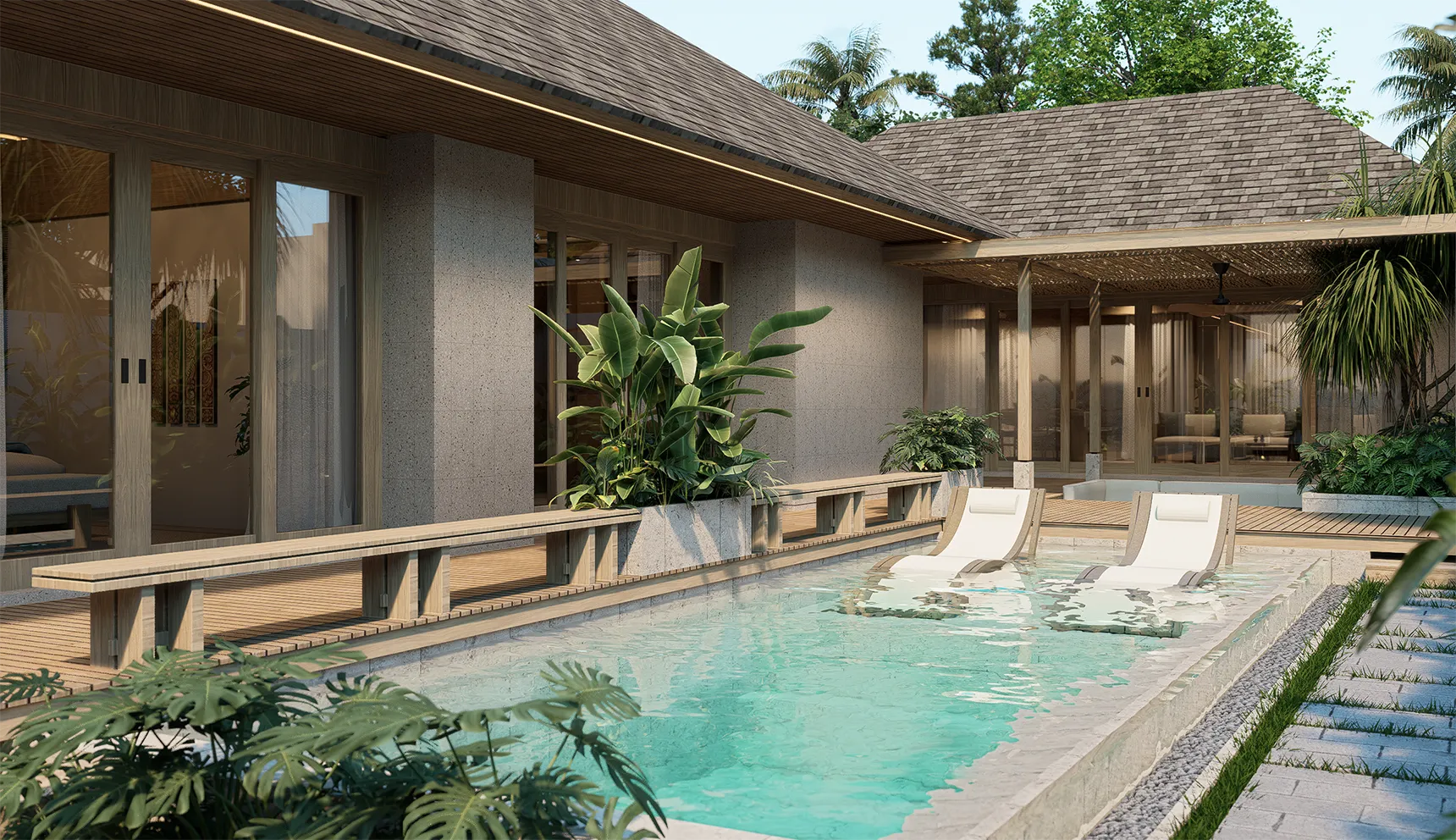
Architecture
- Designs the overall building
- Focuses on structure, site, and building systems
- Shapes the building's external form
- Oversees overall building construction
Interior Architecture
- Designs the interior spatial experience
- Focuses on interior layouts and functionality
- Shapes how people experience interior spaces
- Oversees interior detailing and coordination
Rather than competing disciplines, architecture and interior architecture complement one another. By working collaboratively from the early stages of a project, they create buildings that are cohesive, functional, and thoughtfully designed from the outside in.
5. When Should You Hire an Interior Architect?
Not every project requires an interior architect. However, if your project involves rethinking how a space functions or making significant changes to an existing layout, their expertise can make a substantial difference.
You should consider working with an interior architect when you are:
- Building a new home or luxury villa.
- Renovating a property with structural or layout modifications.
- Developing a hotel, resort, or hospitality destination.
- Designing a restaurant, café, retail space, or office.
- Converting an existing building into a new purpose, such as transforming a residence into a boutique hotel or commercial property.
These projects often require more than selecting finishes or furniture. They involve planning circulation, coordinating building systems, and ensuring that every space functions efficiently while supporting the overall design vision.
Engaging an interior architect early in the process also helps identify potential design challenges before construction begins. This collaborative approach improves coordination between architects, consultants, and contractors, helping reduce costly revisions and creating a smoother construction process.
6. Why Interior Architecture Matters
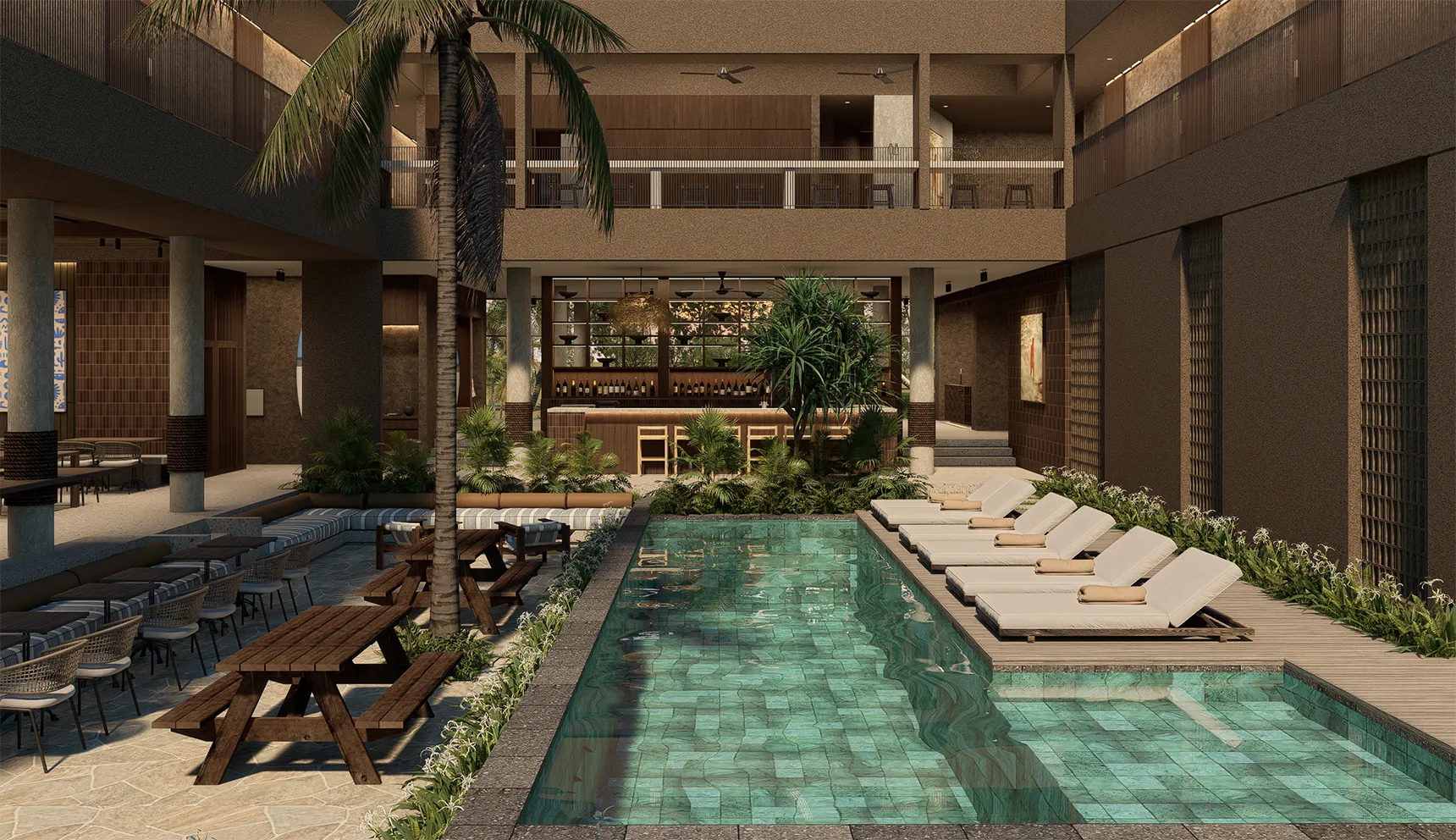
A thoughtfully designed interior does much more than create an attractive environment. It influences how people live, work, and experience a space every day.
Good interior architecture improves the relationship between people and the built environment by balancing aesthetics with functionality. Every decision from room layouts and circulation to lighting and material selection, contributes to creating spaces that are intuitive, comfortable, and efficient.
For residential projects, this may mean designing a home that adapts to changing lifestyles while maximising natural light and improving daily comfort.
For hospitality and commercial developments, interior architecture shapes the customer journey. The way guests move through a hotel lobby, the atmosphere of a restaurant, or the functionality of a workplace all contribute to the overall experience and perception of the space.
Well-planned interiors can also increase the long-term value of a property by improving usability, supporting operational efficiency, and creating environments that remain relevant for years to come.
Ultimately, interior architecture is not only about how a space looks, it is about how a space performs.
7. Why Choose Samma Studio for Interior Architecture?
At Samma Studio, we believe great design begins with understanding how people interact with space. Every project is approached through a collaborative process that balances creativity, technical expertise, and a deep appreciation for context.
Our multidisciplinary team combines architectural thinking with interior design to create environments that are functional, timeless, and tailored to the unique needs of each client. From luxury villas and hospitality destinations to commercial and residential projects, we focus on delivering spaces that enhance everyday experiences while reflecting the identity of the people and brands they represent.
Our services cover every stage of the design journey, including concept development, spatial planning, material selection, technical documentation, and construction coordination. By working closely with clients, consultants, and contractors, we ensure every detail contributes to a cohesive and well-executed result.
Whether you're starting a new development or transforming an existing property, our goal is to create spaces that are both beautiful and purposeful—designed to stand the test of time.
8. Bringing Your Vision to Life
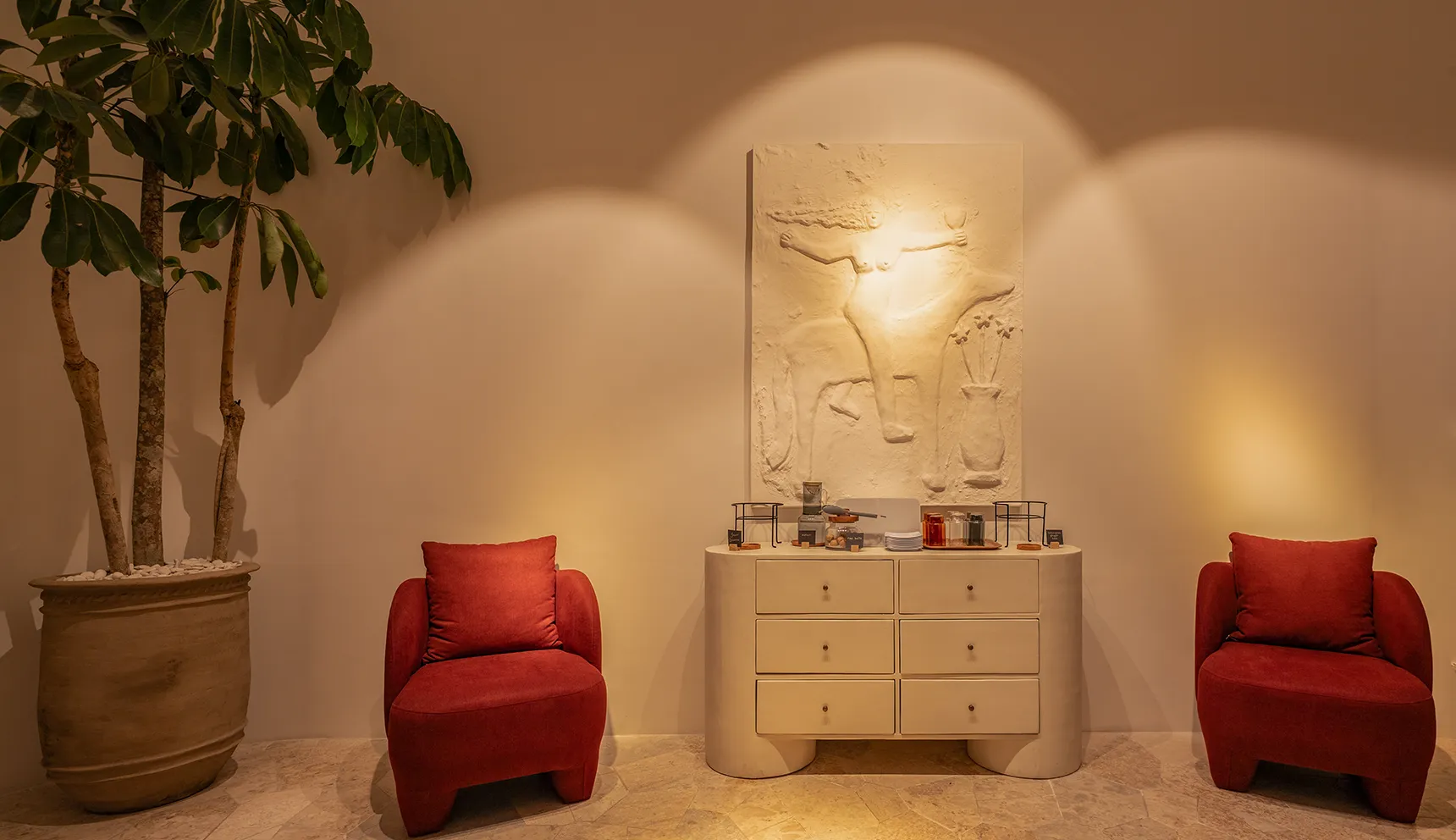
Although interior architecture and interior design are closely connected, they serve different purposes throughout the design process. Interior architecture focuses on how a space functions, while interior design enhances how it looks and feels. Together, they create environments that are practical, visually refined, and designed to support everyday life.
Understanding these distinctions helps you choose the right expertise for your project—whether you're building a luxury villa, renovating a residence, or developing a hospitality or commercial space.
At Samma Studio, we believe great interiors begin with thoughtful planning. By integrating architecture and interior design from the earliest stages, we create spaces that balance functionality, craftsmanship, and timeless aesthetics while reflecting each client's unique vision.
If you're planning your next project, we'd love to discuss how we can bring your ideas to life.
Interior Architecture vs Interior Design - Frequently Asked Questions
- What is interior architecture?
Interior architecture is the practice of designing interior spaces by combining architectural principles, spatial planning, and interior design. It focuses on creating environments that are functional, comfortable, and visually cohesive while supporting the overall purpose of a building. - How is interior architecture different from interior design?
Interior architecture focuses on the structure, layout, and functionality of interior spaces, whereas interior design concentrates on aesthetics, furniture, finishes, and creating the desired atmosphere. Both disciplines often work together to deliver a complete design solution. - When should I hire an interior architect?
An interior architect is most valuable during the early planning stages of a project, particularly when building a new property, renovating an existing space, or making significant changes to layouts and circulation. - Can an interior architect work on residential and commercial projects?
Yes. Interior architects work across a wide range of projects, including private homes, luxury villas, hotels, restaurants, offices, retail spaces, and mixed-use developments. Their role is to ensure each space functions effectively while supporting the overall design vision. - Does interior architecture include custom furniture and built-in features?
Yes. Many interior architecture projects include the design of custom joinery, built-in cabinetry, feature walls, and other architectural elements that integrate seamlessly with the overall spatial concept. - Why is interior architecture important for hospitality projects?
Hospitality spaces rely heavily on guest experience. Interior architecture helps optimise circulation, functionality, lighting, and spatial planning, creating environments that are efficient to operate while leaving a lasting impression on guests.