Bali
What Does It Actually Cost to Build in Bali in 2026?
by Samma Studio
March 12, 2026
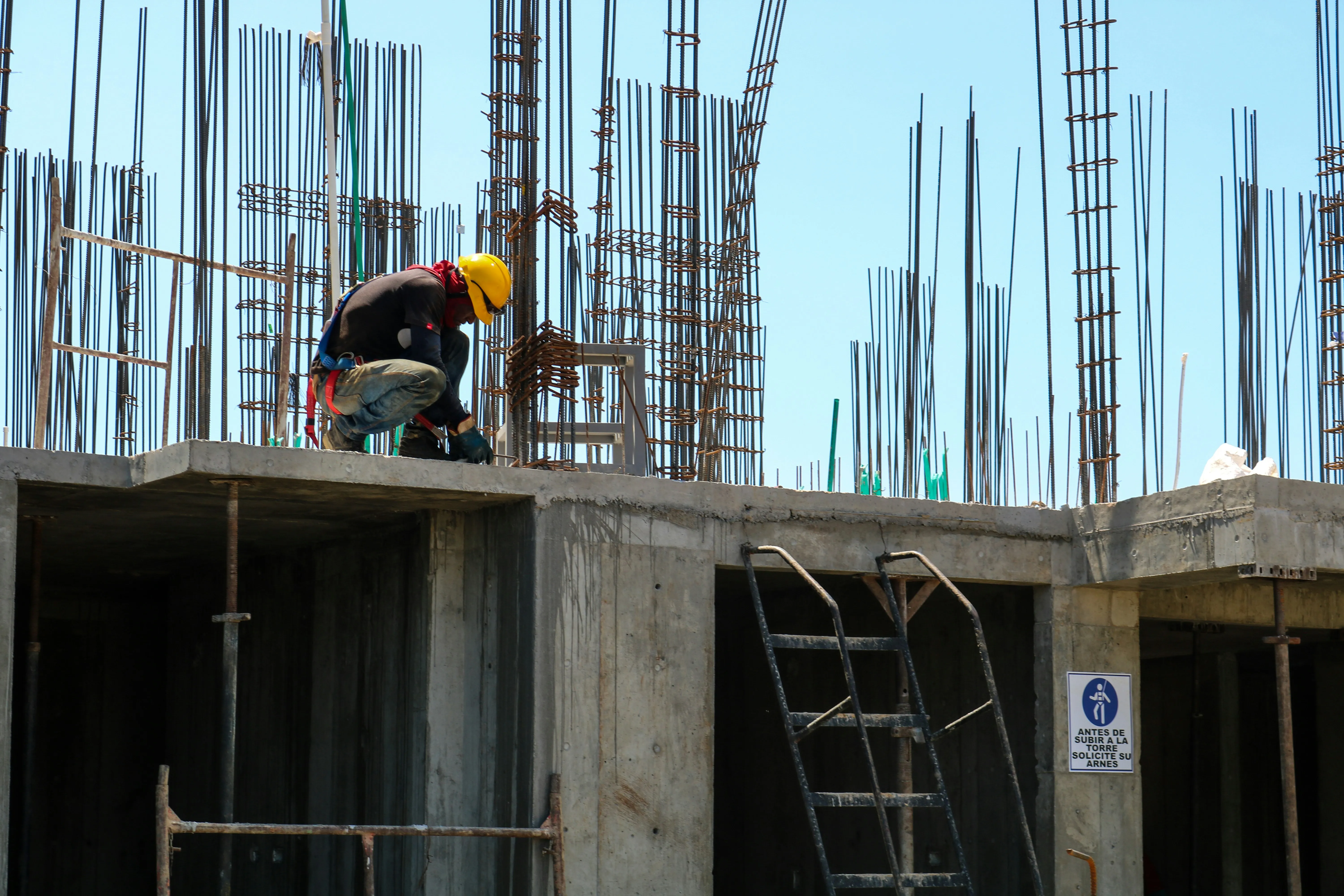
If you're planning to build a villa, home, or hospitality project in Bali, one of the first questions is simple:
How much will it actually cost?
In 2026, construction costs in Bali generally range from around IDR 8 million to IDR 20 million+ per sqm, depending on the quality of materials, site conditions, design complexity, and level of detailing.
But construction is only one part of the overall project budget.
For a broader overview of the process, see our guide on how to build a villa in Bali.
Bali Construction Cost at a Glance
- Build Level: Entry-level
Approx. Cost per sqm: IDR 8–12 million
What to Expect: Simple layouts and standard materials - Build Level: Mid-range
Approx. Cost per sqm: IDR 12–18 million
What to Expect: Better materials and considered detailing - Build Level: Design-standard
Approx. Cost per sqm: IDR 18–20 million+
What to Expect: Bespoke design, quality materials and detailed construction
At Samma Studio, our design-standard projects typically sit around IDR 18–20 million per sqm and above, depending on the brief, specification, and site.
These figures are a starting point rather than a fixed market rate.
Why Construction Costs in Bali Vary
There is no single "Bali construction cost."
A simple villa on a flat site with easy access is very different from a highly detailed villa on a sloped site with difficult access.
The main factors are:
- Build quality and materials
Imported stone, engineered timber, custom finishes, and specialist materials can significantly increase costs. - Site conditions
Slopes, retaining walls, difficult access, drainage, and earthworks can add substantial costs before construction even begins. - Design complexity
Custom joinery, detailed ceilings, unusual structures, large openings, and bespoke elements require more time and skilled labour. - Contractor and project management
Contractor capability affects not only the price but also quality control, coordination, timeline, and the likelihood of costly rework. - Project timeline
Rushed construction can increase labour, procurement, and coordination costs.
For larger or more complex projects, choosing the right design partner can have a direct impact on budget control. Our guide on how to choose an architecture studio in Bali explains what to look for beyond just a studio's portfolio.

What Does the Construction Cost Actually Cover?
When someone quotes a construction cost per sqm, it's important to ask what is included.
The figure usually covers the physical build, such as:
- Structure
- Walls and ceilings
- Flooring and fixed finishes
- Doors and windows
- Basic electrical and plumbing works
- Fixed architectural elements
It does not necessarily cover the complete project.
That distinction is where many initial budgets start to fall short.
What Does It Actually Cost to Build a Villa in Bali?
A cost per sqm is useful as a starting point, but it does not tell you how much money you will actually need.
To make the numbers easier to understand, here are three simple examples based on different villa sizes.
1. Example 1: 150 sqm Villa
At a construction rate of IDR 12–18 million per sqm:
150 sqm × IDR 12–18 million = IDR 1.8–2.7 billion
This is an indicative construction budget, not the total project cost.
You may still need to budget separately for:
- Architecture and interior design
- Structural and MEP consultants
- PBG and SLF
- Pool
- Landscaping
- Furniture and equipment
- Utilities and site preparation
- Contingency
2. Example 2: 200 sqm Villa
At the same construction range:
200 sqm × IDR 12–18 million = IDR 2.4–3.6 billion
A 200 sqm villa gives you more flexibility in terms of layout, bedrooms, outdoor areas, and supporting spaces. But additional built area also means more structure, finishes, MEP, and labour.
If the project includes a more complex architectural concept, the cost can move toward the higher end of the range.
This is where having a clear design brief becomes important. Before working with an architect, it helps to define your requirements, priorities, and budget. See our guide on how to write a design brief for an architecture project.
3. Example 3: 300 sqm Villa
For a larger 300 sqm villa:
300 sqm × IDR 12–18 million = IDR 3.6–5.4 billion
At this scale, the design and specification can have a much bigger impact on the final budget.
Large openings, multiple bathrooms, extensive glazing, custom joinery, complex roofs, specialist finishes, and detailed outdoor areas can all push the construction cost higher.
For this reason, a larger project should be budgeted from the design stage rather than waiting until construction begins.
What Can Increase the Cost of Building in Bali?
The size of a villa is only one part of the cost.
Two projects with the same floor area can have very different budgets depending on the site, design, materials, and construction requirements.
1. Site Conditions
A flat site with easy access is generally simpler to build on than a steep or difficult site.
Slopes, retaining walls, drainage, earthworks, soil conditions, and limited site access can all increase construction requirements.
This is why the site should be assessed before relying too heavily on a cost-per-sqm estimate.
2. Materials and Finishes
Material selection can significantly affect the final cost.
Locally available materials can sometimes offer excellent value, while imported or highly specialised materials may increase procurement, installation, and lead times.
The goal is not necessarily to choose the most expensive material, but to allocate the budget where it creates the most value.
3. Design Complexity
Complex architecture usually requires more coordination, engineering, and skilled workmanship.
Large openings, cantilevers, unusual roof forms, curved elements, custom staircases, and detailed junctions can all increase construction costs.
They do not need to be avoided. They simply need to be considered against the available budget.
4. Custom Elements
Bespoke kitchens, wardrobes, joinery, doors, windows, lighting, and furniture can add significantly to the overall cost.
If these elements are important to the project, they should be considered during design rather than added later.
5. Contractor and Construction Requirements
The contractor also affects the final outcome.
A lower quotation may not represent better value if it comes with differences in materials, workmanship, project management, inclusions, or quality control.
When comparing quotations, look beyond the headline price and check what is actually included.

Additional Costs to Consider
Once the construction budget is established, several other costs may need to be considered.
1. Architecture and Interior Design
Depending on the project, design services may include:
- Concept design
- Architectural design
- Interior design
- Technical drawings
- Construction documentation
- Material and finish selection
The scope varies between studios, so compare what is included rather than looking at the fee alone.
Our guide on how to choose an architecture studio in Bali explains what to consider when selecting a design partner.
2. Engineering and Specialist Consultants
Depending on the project's size and complexity, you may also need:
- Structural engineering
- MEP consultancy
- Landscape design
- Lighting design
- Pool specialists
- Other technical consultants
Not every project requires all of these services.
3. PBG and SLF
Building approvals should also be considered as part of the overall project budget.
Persetujuan Bangunan Gedung (PBG) and Sertifikat Laik Fungsi (SLF) are part of Indonesia's building approval system, with requirements depending on the project.
For more detail, see our guide to PBG and SLF in Bali.
4. Pool and Landscaping
For a Bali villa, outdoor areas can represent a meaningful part of the project.
Additional costs may include:
- Pool construction and equipment
- Decking
- Planting
- Hardscape
- Outdoor lighting
- Irrigation
- Drainage
These should be considered early if outdoor living is an important part of the design.
5. FF&E and External Works
Furniture, fixtures and equipment may include beds, sofas, dining furniture, appliances, curtains, decorative lighting, and outdoor furniture.
External works can include earthworks, utility connections, boundary walls, access, drainage, and other site-related works.
The exact scope depends on the project.
6. Contingency
Unexpected costs can occur even with a well-developed design.
A 10–15% contingency of construction cost is a useful starting point for many projects, although more complex projects may require a larger reserve.

How Design Affects Your Construction Budget
A good design does not simply make a project look better. It also helps determine where the budget goes.
1. Plan the Space Before Adding More Space
A well-planned layout can make better use of every square metre.
Instead of increasing the built area, thoughtful planning can improve how spaces connect, how indoor and outdoor areas are used, and how the villa functions day to day.
2. Spend Where It Matters
Not every part of a project needs the same level of investment.
You may choose to prioritise:
- Natural materials
- Indoor-outdoor connection
- A well-designed pool
- Custom joinery
- Landscaping
- Natural light
The objective is to put more of the budget into the elements that matter most to the experience of the project.
3. Design With Construction in Mind
Design decisions should consider how they will actually be built.
A strong concept needs to work with the site's conditions, available materials, construction methods, and the level of craftsmanship required.
This is where architectural planning can help prevent expensive changes later in the project.
For more context on the role of an architecture studio, see our guide on how to choose an architecture studio in Bali.

Budget Should Guide the Design
The most effective process is not:
Design → Cost → Redesign
It is:
Budget → Brief → Design → Documentation → Construction
Your initial budget does not need to be exact.
It needs to be realistic enough to guide decisions about the size, priorities, materials, and level of detailing.
A clear design brief is a useful starting point because it gives the design team a better understanding of what matters most to you.
Read our guide on how to write a design brief for an architecture and interior design studio for more guidance.
At Samma Studio, we treat budget as a design parameter, not simply a limitation.
The goal is to create the best possible outcome within the investment available.
Final Thoughts
There is no single construction cost that applies to every project in Bali.
IDR 8–20 million+ per sqm is a useful starting point, but your final budget depends on the site, design, materials, and project scope.
At Samma Studio, we treat budget as a design parameter, helping align your investment with the quality and experience you want to create.
Frequently Asked Questions
- How much does it cost to build a villa in Bali in 2026?
Construction costs generally range from IDR 8–20 million+ per sqm, depending on the site, materials, design complexity, and construction requirements. - Does the construction cost include the land?
No. Land costs are separate from construction and should be considered when calculating the overall project budget. - Does the construction cost include the pool and landscaping?
Not necessarily. Pool, landscaping, FF&E, and other external works may be priced separately depending on the contractor's scope. - How much contingency should I budget?
A 10–15% contingency of construction cost is a useful starting point for many projects, although more complex projects may require more. - Do I need PBG and SLF?
PBG and SLF form part of Indonesia's building approval system. Requirements depend on the type and location of the project.
Read our PBG and SLF guide for more information. - How long does it take to build a villa in Bali?
Construction can take around 12–18 months for a typical residential villa, depending on its size, complexity, and site conditions.
For an overview of the full process, see how to build a villa in Bali.