Perspective
Architecture vs Interior Design: What's the Difference?
by samma studio
July 28, 2026
Choosing between an architect and an interior designer isn't always straightforward. Although both professionals help shape a space, they focus on different aspects of a project.
An architect designs the building itself, including its structure, layout, and overall functionality. An interior designer focuses on how the spaces inside the building look, feel, and function for the people using them.
Whether you're building a luxury villa, renovating a residence, or developing a commercial property, working with an experienced architecture and interior design studio can help turn your vision into a well-planned, functional space.
Quick guide:
- Choose an architect if you're building, extending, or making structural changes.
- Choose an interior designer if you want to improve the look, functionality, or atmosphere of an existing space.
- Choose both for a cohesive design from the building's exterior to its interior.
What Is Architecture?
Architecture is the process of designing buildings that are safe, functional, and visually appealing. Architects consider everything from site conditions and building layouts to structural systems, regulations, and construction methods.
Their goal is to create spaces that not only look great but also perform well over time, balancing aesthetics, usability, sustainability, and technical requirements.
If you're interested in how interior design relates to interior architecture, you may also find our guide on Interior Architecture Explained: How It Differs from Interior Design helpful.
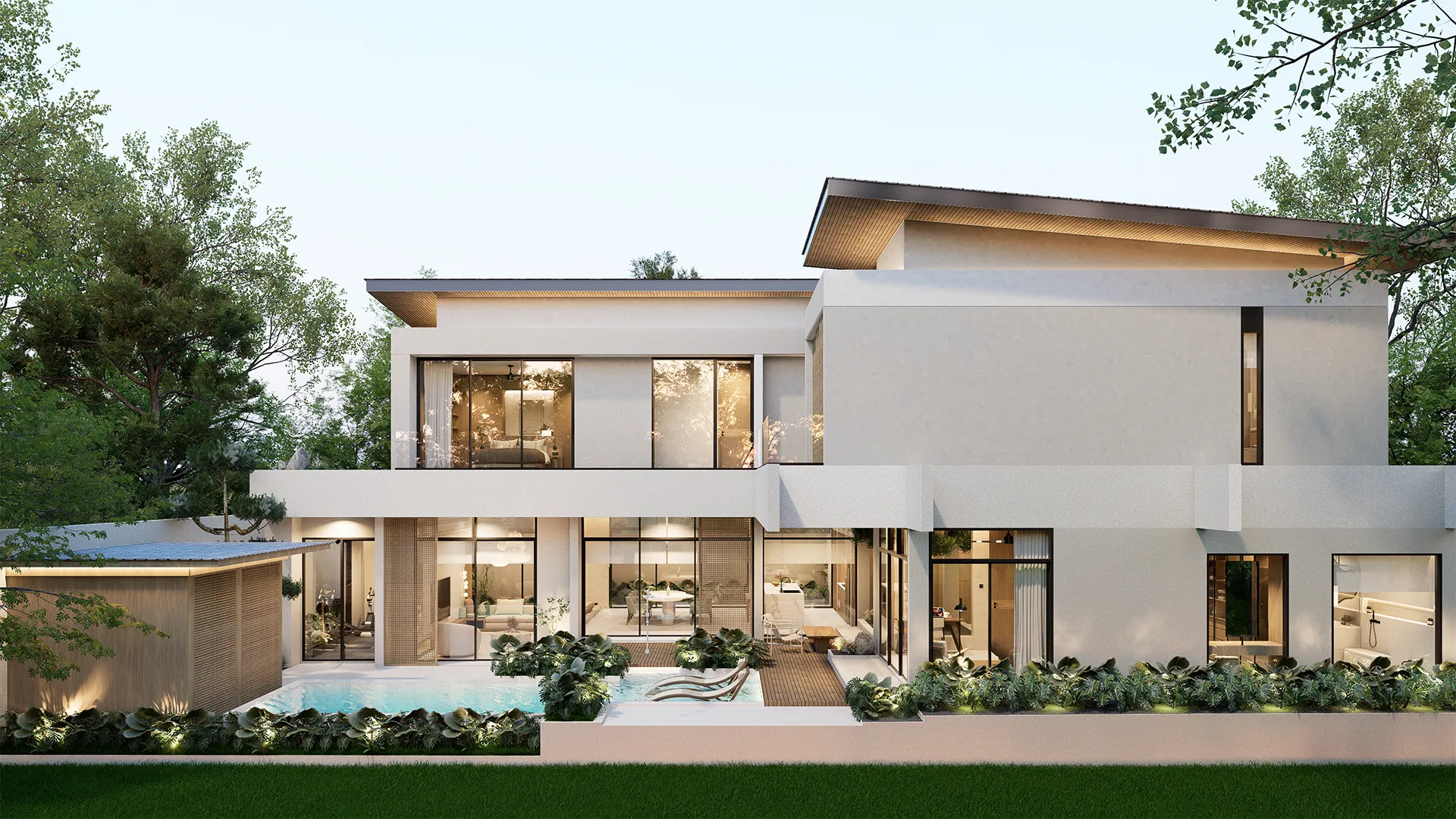
What Does an Architect Do?
An architect is involved throughout the building design process, from concept development to construction.
Typical responsibilities include:
- Site analysis and feasibility studies
- Floor plan and building layout design
- Exterior and façade design
- Construction drawings and documentation
- Coordination with structural and MEP engineers
- Building permit compliance
- Design supervision during construction
You'll typically need an architect for:
- Building a new home or villa
- Commercial developments
- Structural renovations
- Home extensions
- Hospitality projects such as hotels and resorts
Tip: If your project changes the building's structure or requires permits, an architect should usually be your first point of contact.
What Is Interior Design?
Interior design focuses on creating functional, comfortable, and visually appealing spaces inside a building. Rather than changing the structure, interior designers optimise how each space is experienced through thoughtful planning, materials, lighting, furniture, and finishes.
Good interior design goes beyond decoration. It improves how people live, work, or interact within a space while ensuring every element supports the overall design concept.
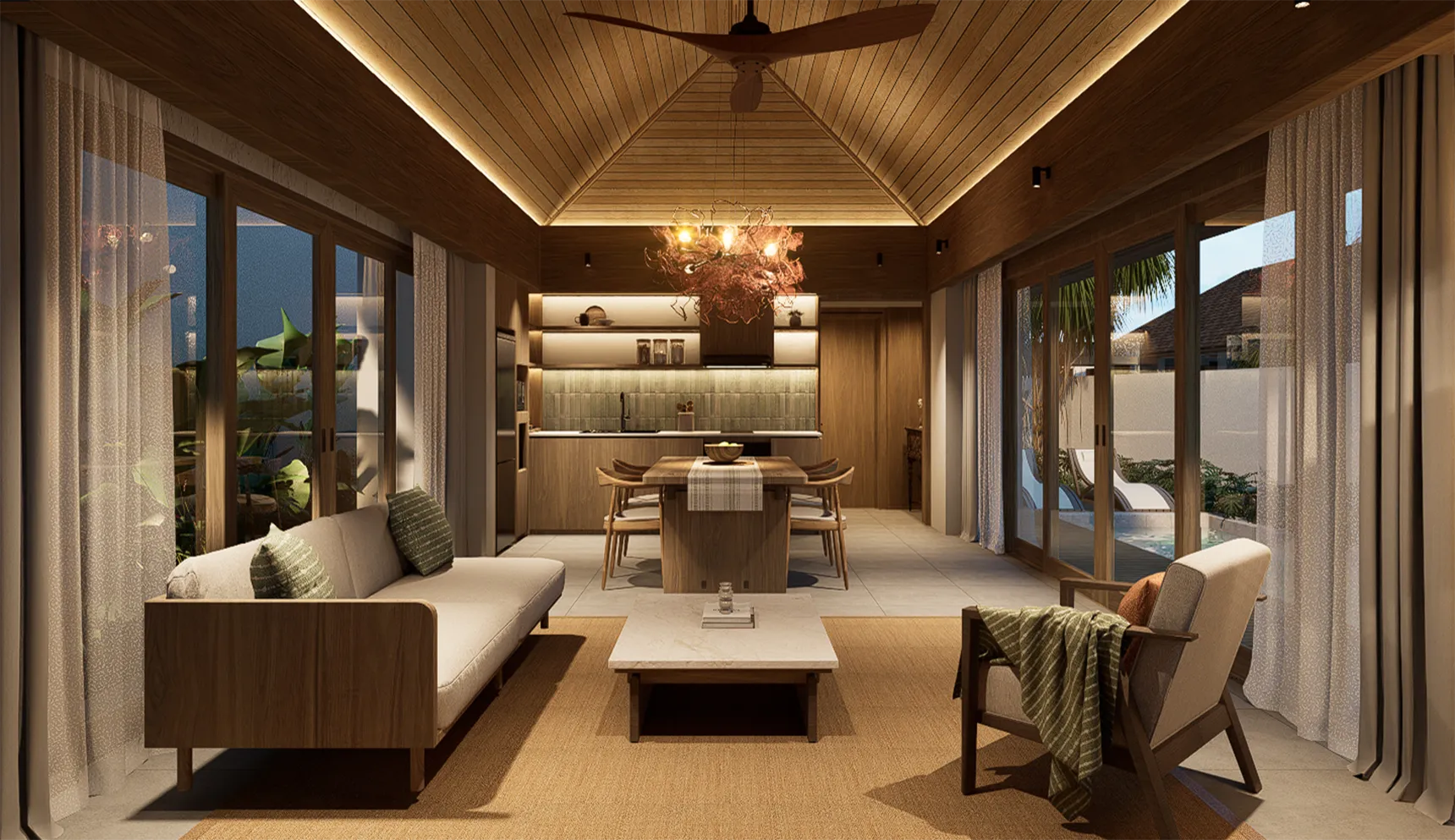
What Does an Interior Designer Do?
Interior designers enhance both the appearance and usability of interior spaces.
Their responsibilities often include:
- Space planning
- Furniture layouts
- Material and finish selection
- Colour palette development
- Lighting design
- Custom cabinetry and joinery
- Furniture and décor specification
- Styling and final detailing
Interior design is ideal for projects such as:
- Home interior renovations
- Villa furnishing
- Office redesigns
- Restaurants and cafés
- Hotels and hospitality interiors
- Retail spaces
Tip: If your building already exists and you want to improve how the interior looks or functions, an interior designer is usually the right choice.
Architecture Shapes the Building
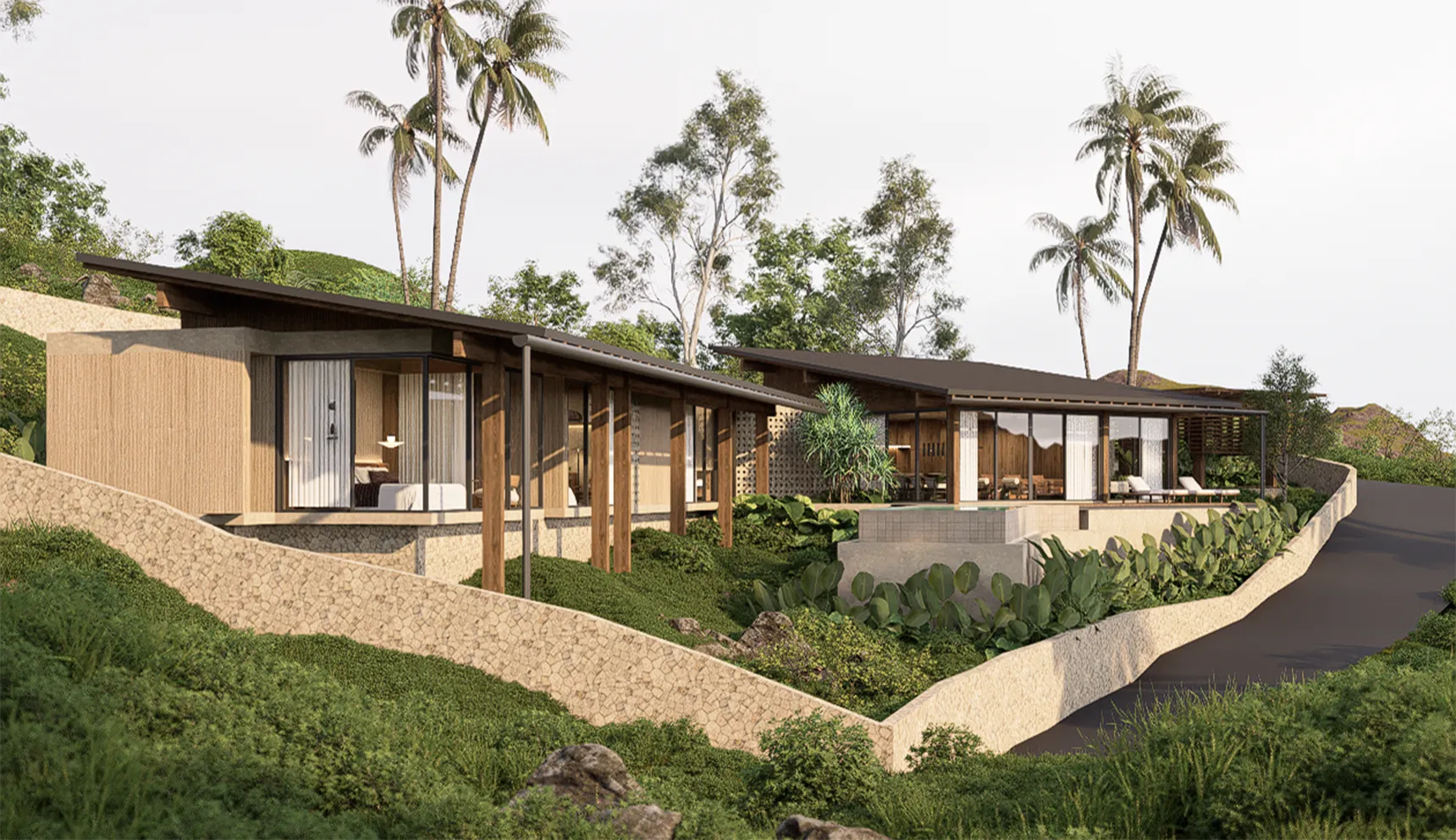
Architects design the building from the ground up. They determine how the structure will function, how people move through it, and how it responds to the surrounding environment.
This includes:
- Building layout
- Structural planning
- Exterior appearance
- Construction documentation
- Building regulations
- Site planning
Every decision affects the building's safety, performance, and long-term value.
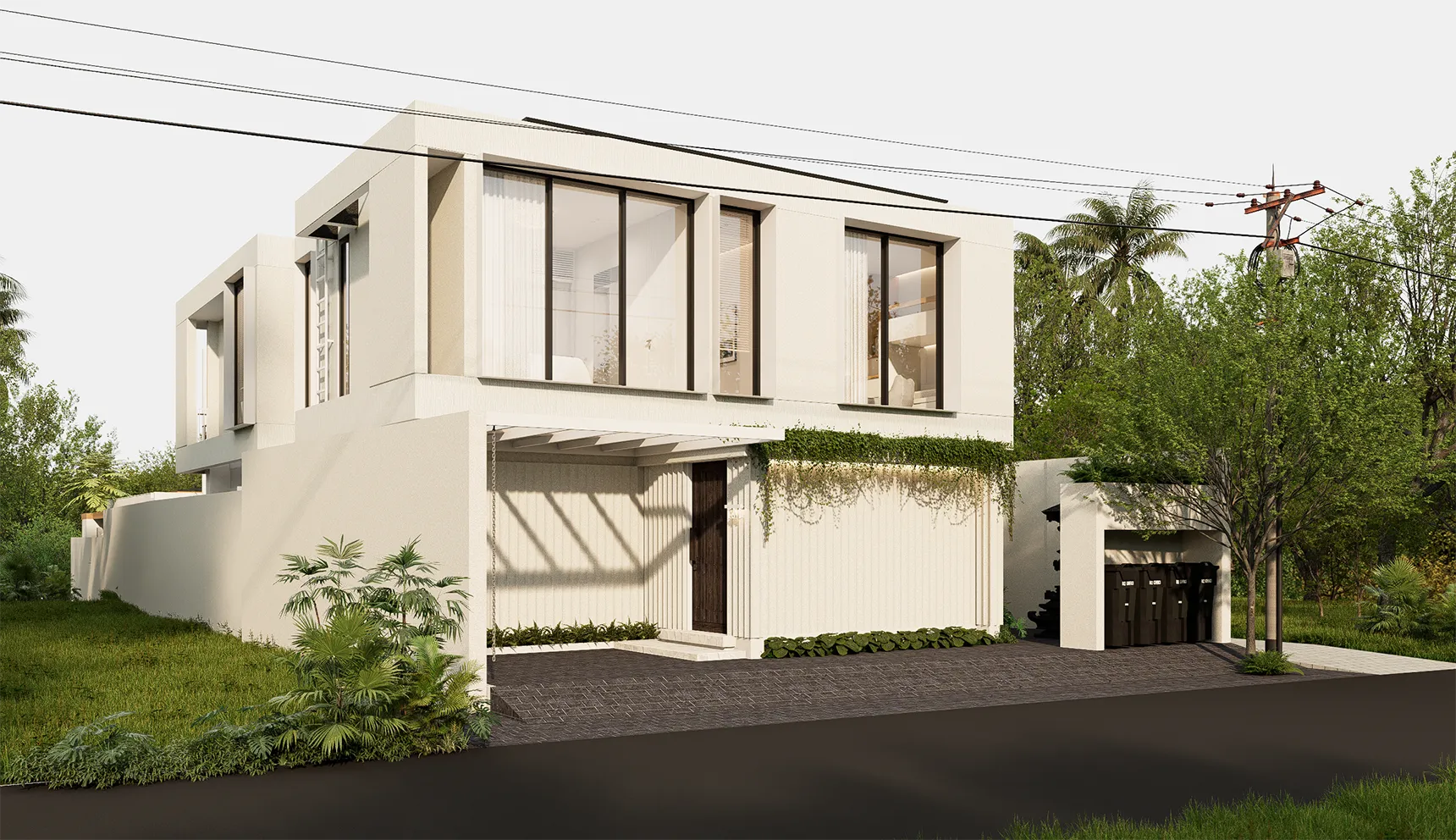
Interior Design Shapes the Experience
Today's interior design goes beyond aesthetics, placing greater emphasis on user experience, accessibility, and functionality. Many of these evolving approaches are reflected in projects featured by Dezeen, one of the leading publications covering architecture and interior design worldwide.
Today's interior design goes beyond aesthetics, placing greater emphasis on user experience, accessibility, and functionality. Many of these evolving approaches are reflected in projects featured by Dezeen, one of the leading publications covering architecture and interior design worldwide.
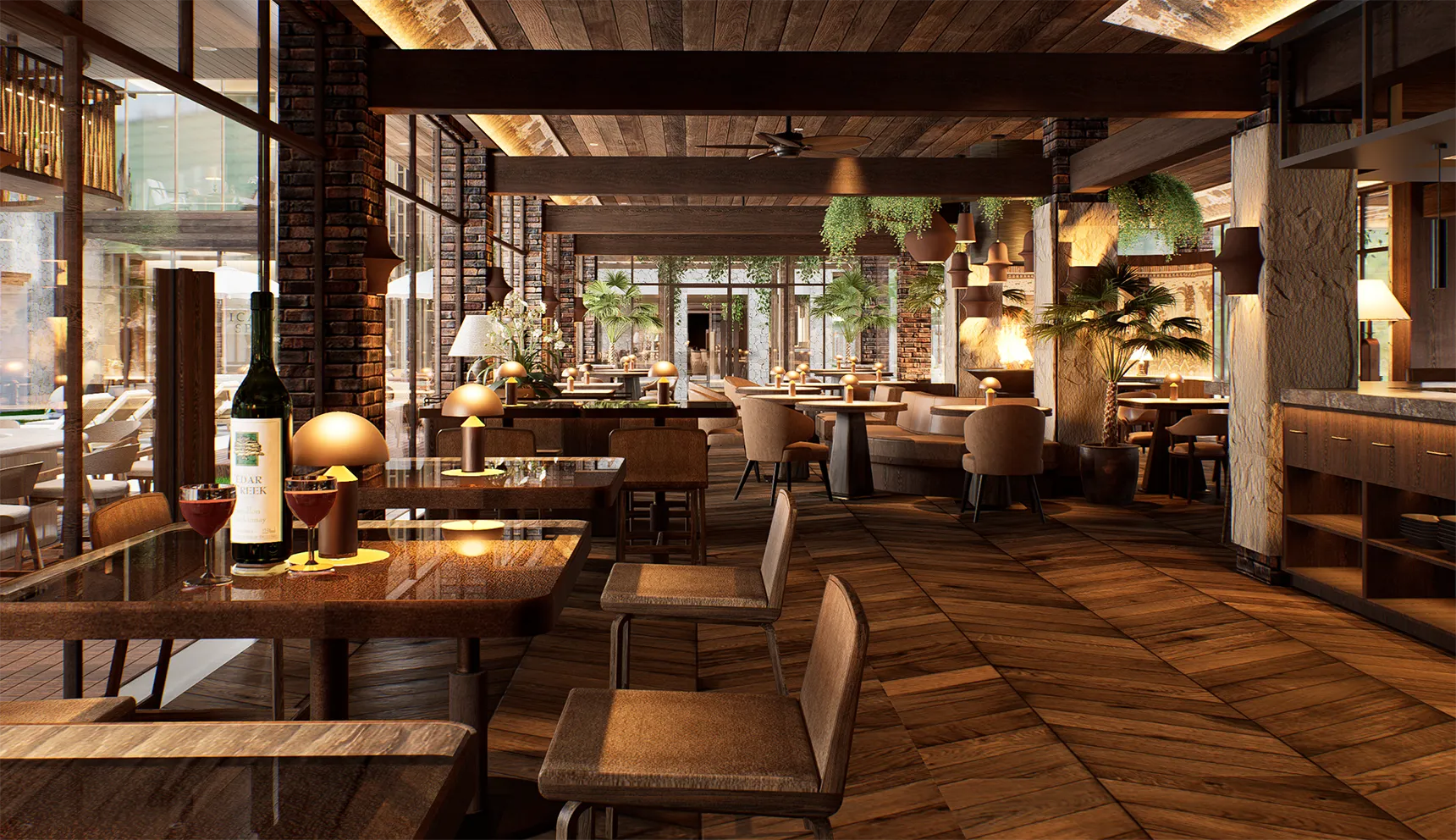
Once the building's structure is defined, interior designers focus on the spaces people interact with every day.
Their work includes:
- Space planning
- Furniture selection
- Lighting design
- Material and finish selection
- Colour schemes
- Decorative details
The goal is to create interiors that are comfortable, practical, and aligned with the client's lifestyle or brand identity.
When Should You Hire an Architect?
An architect should be involved whenever your project affects the building itself. They help translate your ideas into a buildable design while ensuring it complies with local regulations and construction standards.
Hire an architect if you're:
- Building a new house or villa
- Designing a commercial building
- Planning a hotel or hospitality project
- Adding a new floor or extension
- Removing or modifying structural walls
- Developing land from scratch
- Applying for building permits
Example:
If you're building a luxury villa in Bali, an architect will design the building layout, optimise natural light and ventilation, coordinate with engineers, and prepare the construction drawings needed before work begins.
Choosing the right design partner is just as important as deciding when to hire one. Learn more in our guide on How to Choose an Architecture Studio in Bali.
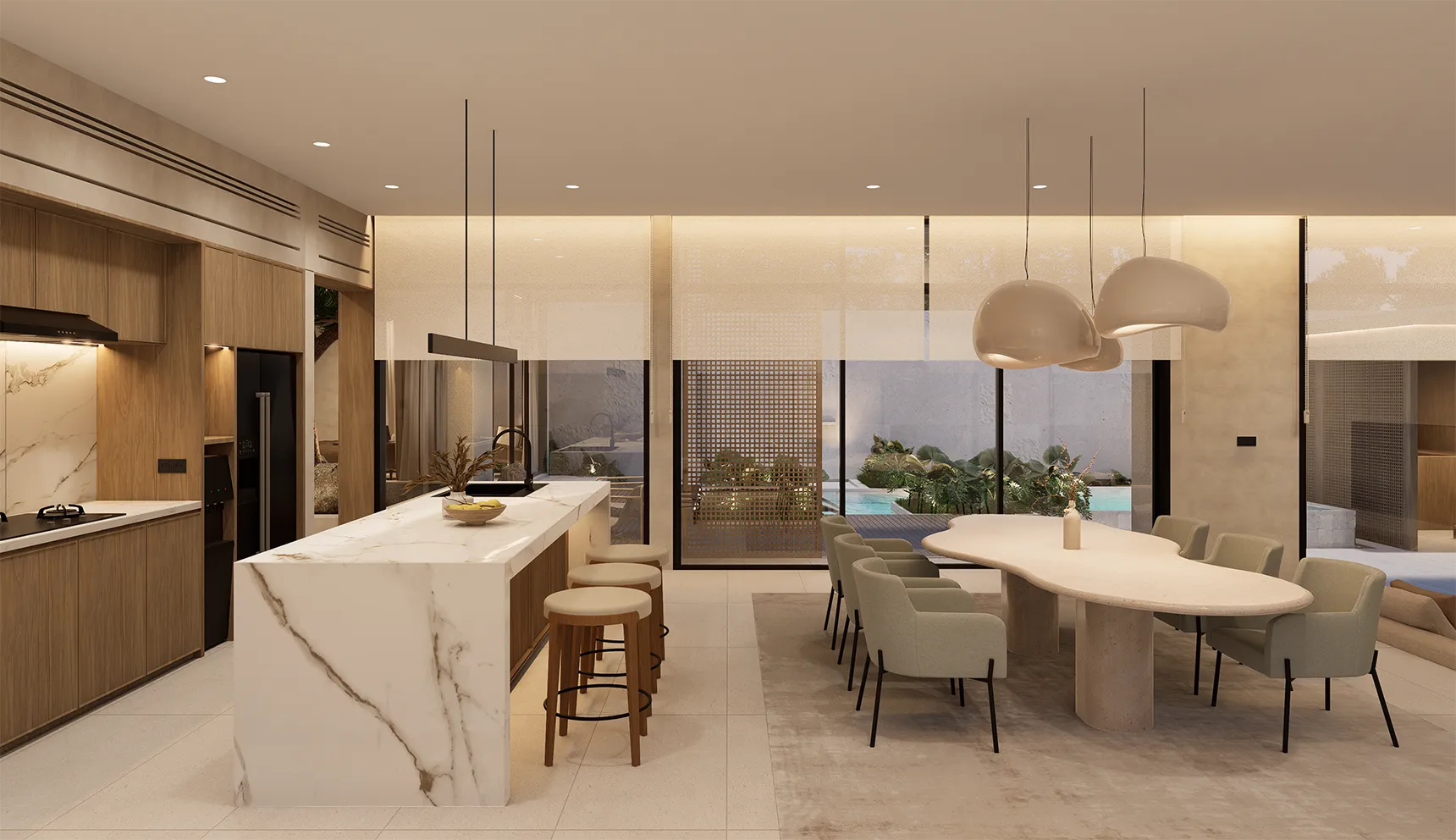
When Should You Hire an Interior Designer?
An interior designer is the right choice when your focus is improving how the inside of a building looks and functions without making significant structural changes.
Hire an interior designer if you're:
- Renovating your home's interior
- Furnishing a newly completed villa
- Redesigning an office
- Refreshing a restaurant or café
- Upgrading a hotel guest room
- Improving space efficiency
- Creating a consistent interior style
Example:
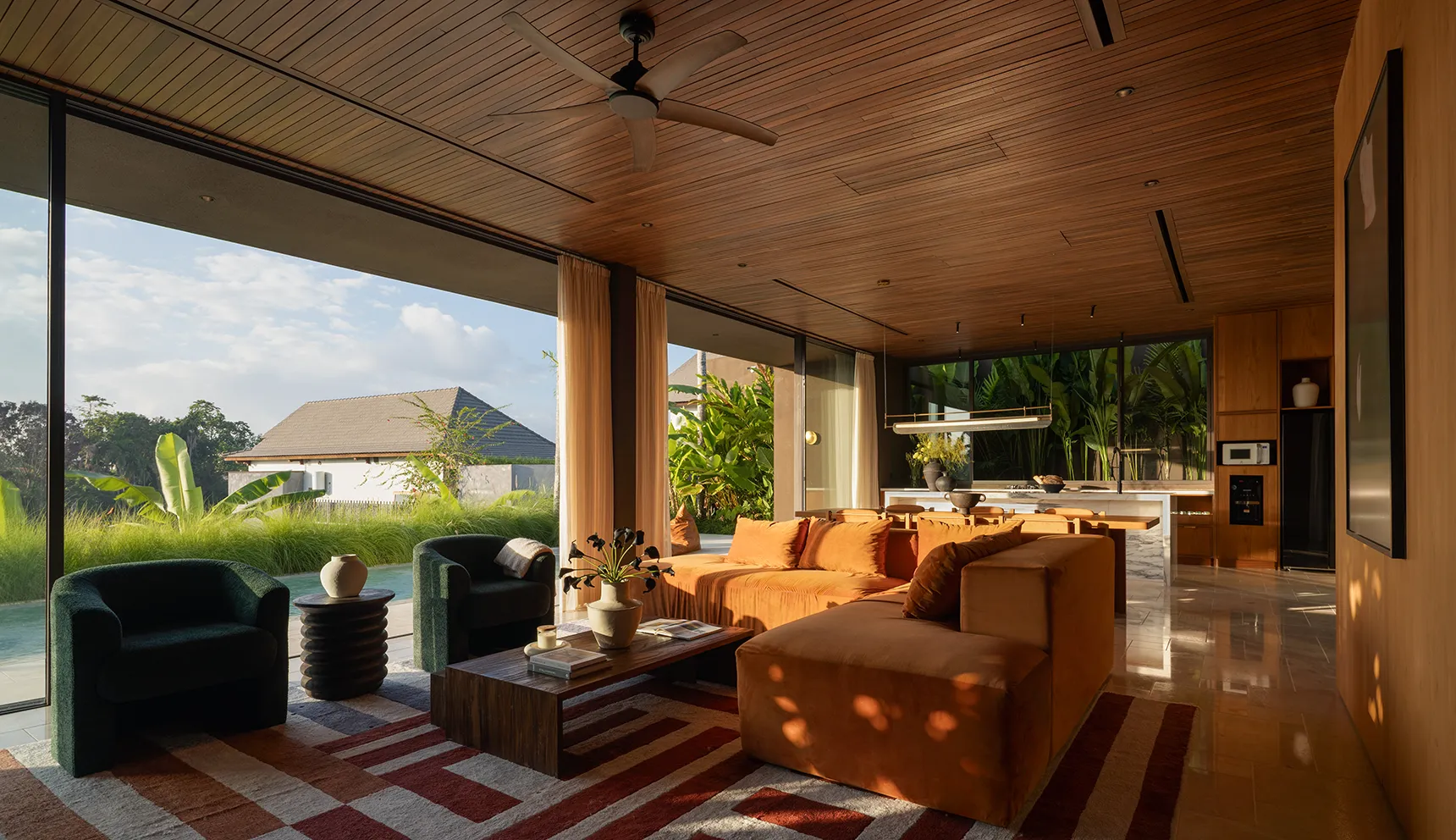
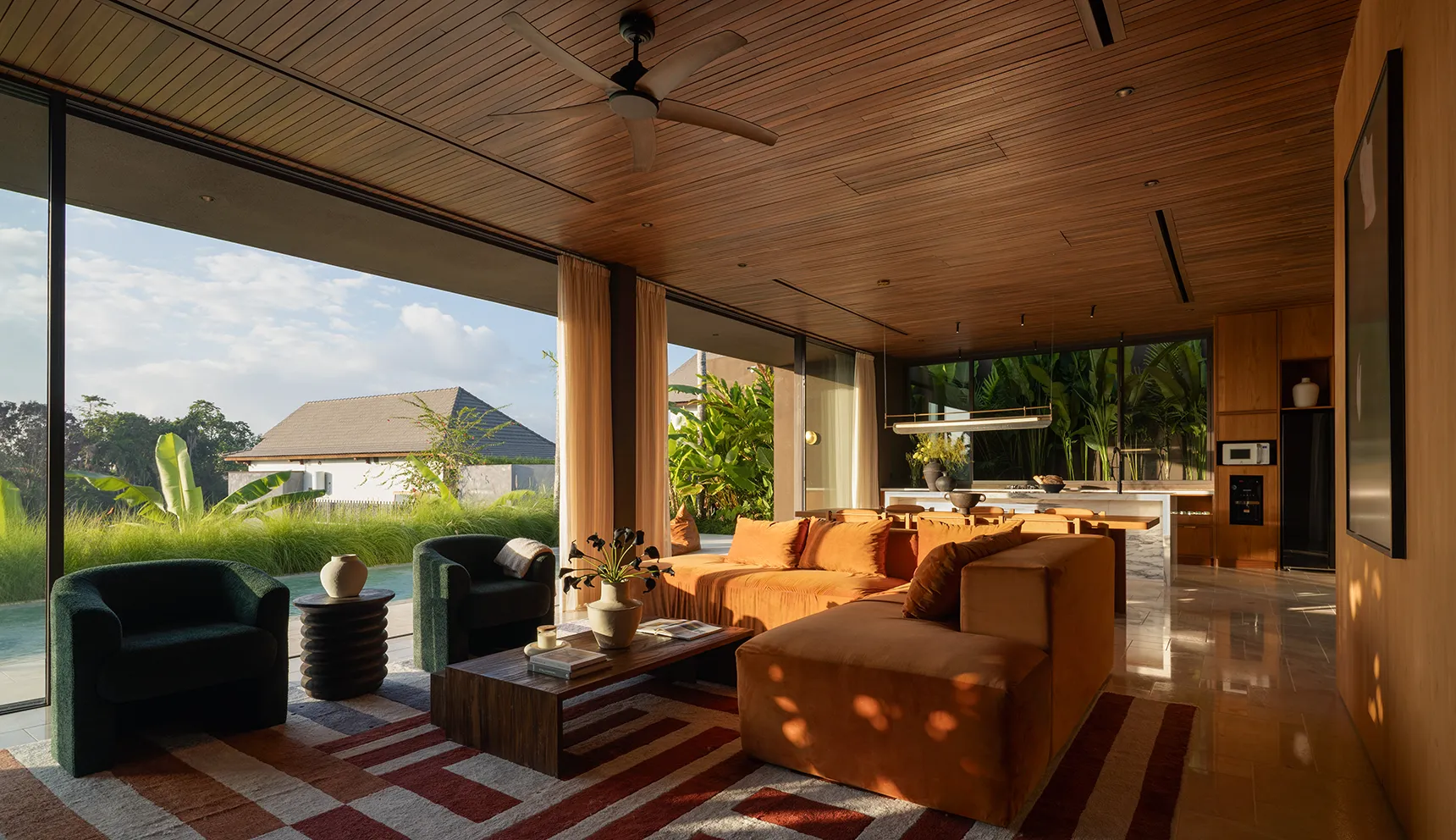
If you've recently completed building your villa, an interior designer can help select furniture, lighting, materials, and finishes that complement the architecture while creating a cohesive living experience.
Common Misconceptions About Architects and Interior Designers
Many people assume architects and interior designers provide the same service, but that's not the case. Here are a few common misconceptions.
"An architect can do everything."
Architects understand interior spaces, but they may not specialise in furniture selection, styling, lighting ambience, or detailed finish specifications. Interior designers bring expertise in creating functional and visually cohesive interiors.
"Interior designers only decorate."
Interior design involves much more than choosing colours or furniture. It includes space planning, circulation, ergonomics, lighting, storage solutions, and material selection to improve how a space works.
"I only need one professional."
For small interior updates, one professional may be enough. However, larger residential, hospitality, and commercial projects often benefit from both an architect and an interior designer working together from the beginning.
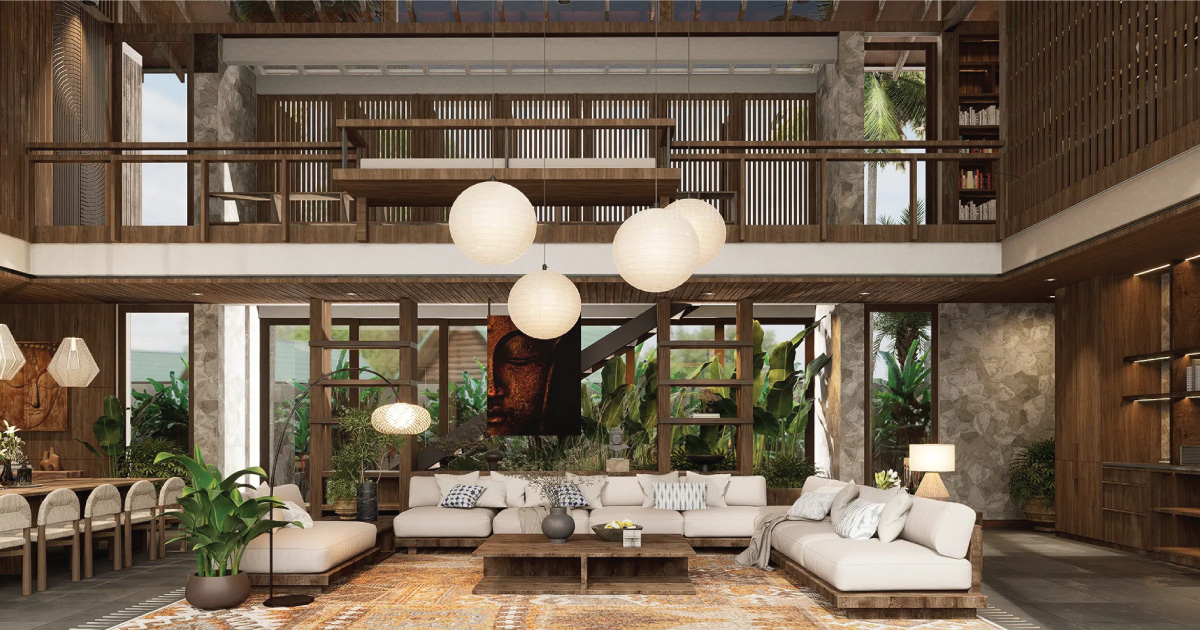
This collaborative approach helps create a seamless transition between the building's architecture and its interior, reducing design conflicts and delivering a more cohesive result.
Can an Architect and Interior Designer Work Together?
Absolutely. In fact, many successful residential, hospitality, and commercial projects achieve better results when architects and interior designers collaborate from the beginning.
While the architect focuses on the building's structure and functionality, the interior designer ensures the spaces inside are practical, comfortable, and aligned with the overall design vision. Working together helps avoid design conflicts and creates a more seamless experience from the exterior to the interior.
Benefits of Working Together
When both professionals collaborate, you can expect:
- A consistent design concept throughout the project
- Better space planning and functionality
- Smoother coordination during construction
- More efficient material selection
- Fewer design revisions and unexpected changes
- A balanced outcome that combines aesthetics and practicality
For projects such as luxury villas, boutique hotels, restaurants, and offices, this integrated approach often leads to a more cohesive and efficient design process.
Benefits of Hiring Both Professionals
Hiring both an architect and an interior designer may seem like a larger investment initially, but it often results in a more efficient project and a better long-term outcome.
Design trends continue to evolve, particularly in luxury residential projects. Explore our insights on Villa Interior Design Trends in Bali for 2026 to see how modern interiors are shaping contemporary villas.
Some key benefits include:
1. A Unified Design Vision
The architecture and interiors are designed as one cohesive concept rather than as separate elements. This creates a more harmonious appearance and a stronger identity for the property.
2. Better Functionality
Early collaboration allows both professionals to optimise layouts, circulation, storage, lighting, and furniture placement before construction begins.
3. More Efficient Project Coordination
When architects and interior designers work together, communication between consultants, contractors, and suppliers becomes more streamlined. This can reduce misunderstandings and minimise costly revisions during construction.
4. Better Long-Term Value
Thoughtful planning often leads to spaces that are easier to maintain, more adaptable over time, and more attractive to future buyers or guests.
Why Choose an Integrated Architecture and Interior Design Studio?
Managing separate consultants can be challenging, particularly on complex residential or commercial projects. An integrated design studio simplifies the process by bringing architecture and interior design together under one team.
Some advantages include:
- A single design vision from concept to completion
- Better communication across all project stages
- Consistent material and design selections
- Faster design coordination
- A smoother client experience
Instead of treating the building and its interiors as separate disciplines, an integrated approach ensures every design decision supports the project's overall goals.
Why Choose Samma Studio for Your Project?
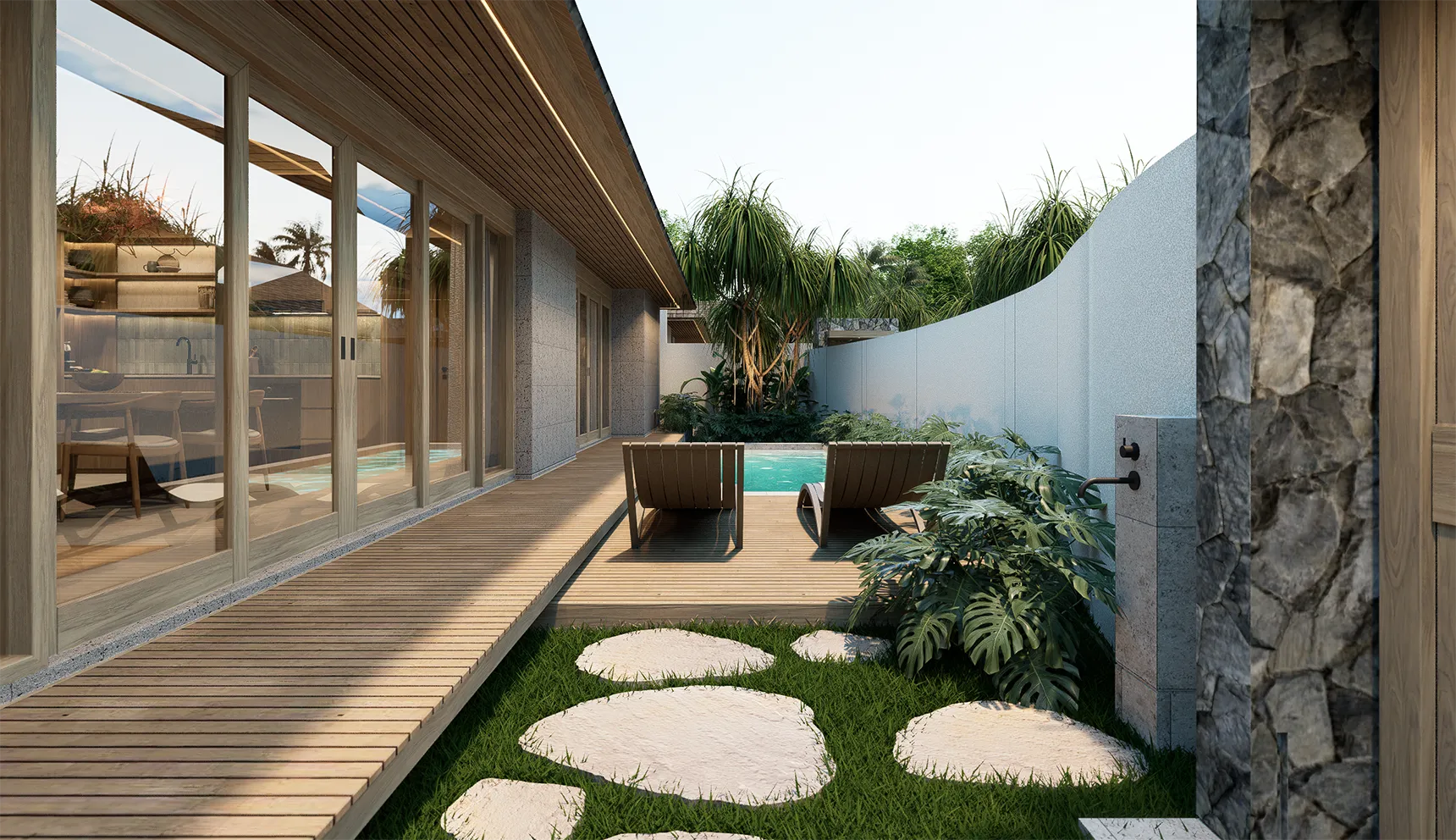
At Samma Studio, we combine architecture and interior design into one integrated process. Explore some of our architecture and interior design projects to see how we create spaces that balance functionality, aesthetics, and long-term value. Learn more about our expertise across residential, hospitality, and commercial design.
Whether designing a private residence, luxury villa, hospitality project, or commercial space, the focus is on understanding each client's vision while responding to the site's context and the way people will use the space.
By combining architectural planning with interior design expertise, Samma Studio delivers environments that are not only visually refined but also practical, comfortable, and built to support long-term value.
If you're planning a new build, renovation, or interior transformation, working with a team that understands both disciplines can help create a more cohesive and successful project.
Whether you're planning a new build or renovating an existing property, Samma Studio offers integrated architecture and interior design services tailored to your project's goals. To learn more about our team and design philosophy, visit About Samma Studio.
Architecture vs Interior Design - Frequently Asked Questions
- Can an architect also do interior design?
Some architects have experience in interior design, but their primary expertise is designing buildings and managing the construction process. For projects that require detailed furniture planning, material selection, lighting, and interior styling, working with an interior designer can provide a more refined result. - Can an interior designer design a house?
An interior designer can design the layout and appearance of interior spaces, but they are generally not responsible for the building's structure, engineering, or construction documentation. New homes and structural renovations typically require an architect. - Which comes first: architecture or interior design?
Architecture usually comes first because it defines the building's structure, layout, and overall form. Once the architectural concept is established, interior design builds upon it by planning the spaces, materials, furniture, and finishes. - Do I need both an architect and an interior designer?
It depends on your project.- Choose an architect for new buildings, extensions, or structural renovations.
- Choose an interior designer for interior renovations or furnishing.
- Choose both for projects where you want a cohesive design from the exterior through to the interior.
- What's the difference between architecture and interior design?
Architecture focuses on designing the building itself, including its structure, layout, and construction. Interior design focuses on improving the functionality, comfort, and appearance of the spaces inside the building. - Is interior design part of architecture?
Interior design and architecture are separate disciplines, but they often complement each other. While architects shape the building, interior designers enhance how people experience the spaces within it. - Can I hire an interior designer without an architect?
Yes. If your project only involves updating an existing interior without structural changes, hiring an interior designer is often sufficient.
However, if your renovation affects walls, foundations, or the building's structure, it's advisable to consult an architect first. - Why do luxury homes and villas often use both services?
High-end residential and hospitality projects require careful coordination between the building's architecture and its interiors. Involving both professionals from the beginning helps create a consistent design language, improve functionality, and reduce costly design changes during construction.